Deepavali pollution concerns: Is it the worst issue this year?
 Justin
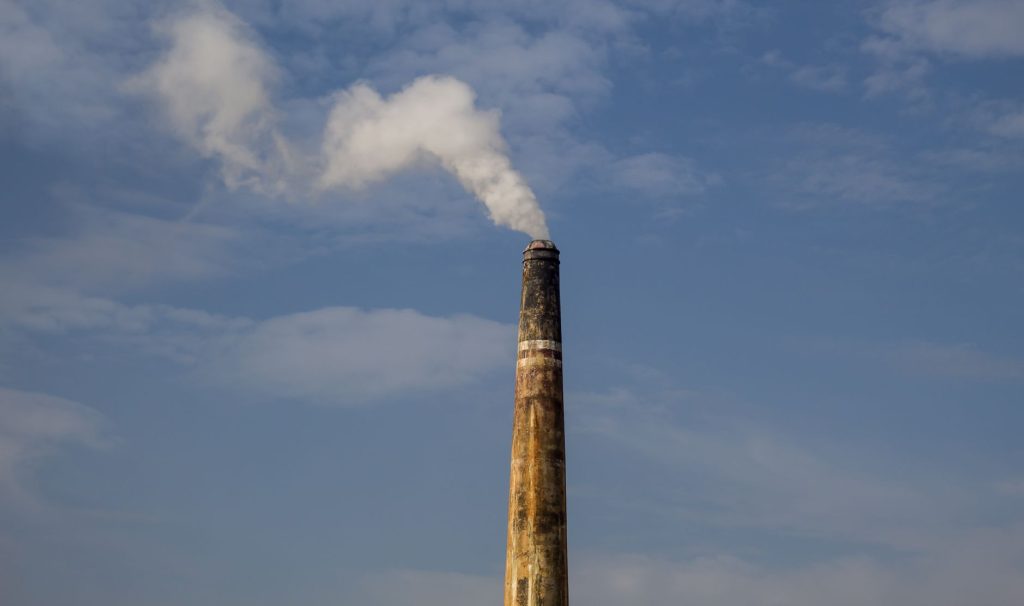
Deepavali pollution concerns have been addressed by Yogi Adityanath, who claims that the issue will subside in due time. Despite worries, he reassures the public regarding the festivities.
Yogi Adityanath’s Statement on Pollution
In a recent statement, Uttar Pradesh Chief Minister Yogi Adityanath addressed the growing concerns surrounding Deepavali pollution. He dismissed the worries, asserting that the pollution levels would naturally decrease following the festival. Adityanath emphasized that the festivities bring joy and should not be overshadowed by fears of environmental impact.
He remarked, “The air quality will improve after Deepavali, as it always does. We must focus on the positivity of the celebrations rather than the temporary increase in pollution.” This perspective has sparked a debate among environmentalists and citizens alike, with many arguing that the issue of pollution during Deepavali is more pressing than ever.
Critics of the statement point to the consistent rise in pollution levels during the festival, urging for stricter regulations and more awareness about the environmental consequences of the celebrations.
Public Reaction to Deepavali Celebrations
This year, public reaction to Deepavali celebrations has been mixed, particularly regarding the rising pollution concerns. Many citizens express their frustration over the adverse effects of fireworks on air quality.
Some residents have taken to social media to voice their opinions, highlighting the need for more sustainable celebrations. Environmental activists are urging people to reconsider their choices, advocating for eco-friendly alternatives.
In response to the concerns, a community leader stated:
- “We must prioritize our health and the environment during Deepavali.”
- “Celebrating responsibly can still bring joy without contributing to pollution.”
Despite Yogi Adityanath’s dismissal of the pollution concerns, many believe that addressing Deepavali pollution concerns is crucial for the well-being of the community.
Impact of Fireworks on Air Quality
The impact of fireworks during Deepavali has raised significant pollution concerns this year. As celebrations light up the night sky, the resulting smoke and particulate matter can lead to a sharp decline in air quality.
Recent studies indicate that the use of fireworks contributes to:
- Increased PM2.5 Levels: Fine particulate matter can soar to hazardous levels, posing serious health risks.
- Respiratory Issues: Residents, especially children and the elderly, may experience aggravated asthma and other respiratory conditions.
- Environmental Impact: The smoke released can lead to long-term ecological damage, affecting flora and fauna.
Despite Yogi Adityanath’s dismissal of these concerns, many citizens remain worried about the implications of Deepavali pollution on their health and the environment.
Government Measures for Pollution Control
In response to rising Deepavali pollution concerns, the government has unveiled a series of measures aimed at curbing emissions during the festive season. Officials have emphasized the importance of public awareness and community involvement in tackling this pressing issue.
- Increased Monitoring: Authorities will enhance monitoring of air quality in urban areas, particularly during the days surrounding Deepavali.
- Public Campaigns: Educational campaigns are being launched to inform citizens about the adverse effects of firecrackers on air quality and health.
- Firecracker Regulations: Stricter regulations on the sale and use of firecrackers have been proposed, with an emphasis on promoting eco-friendly alternatives.
These measures aim to mitigate the environmental impact of celebrations while balancing cultural traditions. The government hopes that these initiatives will lead to a safer and cleaner Deepavali for all.
This year’s Deepavali pollution concerns have sparked widespread debate among environmentalists and citizens alike. As festivities approach, many are questioning whether these Deepavali pollution concerns will overshadow the joy of the celebrations.
Photo by Istiaque Hossain on Pexels