Delhi elevated corridor offers clear solution to congestion
 Justin
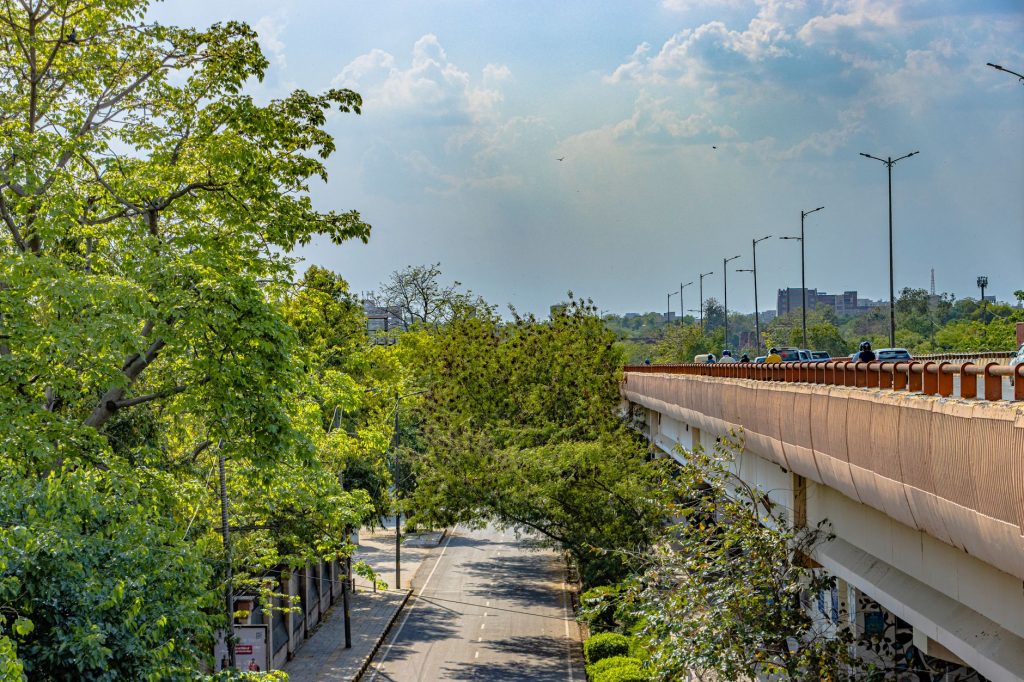
Delhi elevated corridor plans aim to alleviate traffic congestion in South Delhi. The government has proposed a four-flyover system on MB Road to enhance connectivity and reduce travel time.
Overview of Delhi’s Traffic Issues
Delhi has long struggled with severe traffic congestion, impacting daily commutes and air quality in the metropolis. As the population continues to grow, the roads become increasingly congested, leading to longer travel times and heightened frustration among commuters.
According to recent reports, the Delhi government has recognized the need for effective solutions to tackle the worsening traffic situation. One of the proposed solutions is the construction of a Delhi elevated corridor along the busy MB Road. This initiative aims to provide a strategic way to alleviate congestion in south Delhi.
In addition to the elevated corridor, various other measures are being considered to improve traffic flow, including:
- Expansion of existing road networks
- Implementation of smart traffic management systems
- Promotion of public transportation options
- Encouragement of carpooling and alternative commuting methods
As traffic levels continue to rise, the urgency for innovative infrastructure solutions is evident. The proposed Delhi elevated corridor represents a significant step towards reducing congestion and enhancing the overall commuting experience for residents and visitors alike. By investing in modern transportation infrastructure, the government aims to create a more efficient and sustainable urban environment.
Details on the Elevated Corridor Plan
The Delhi elevated corridor plan aims to alleviate the persistent traffic congestion faced by commuters in the city. This ambitious project is designed to create a series of elevated roads that will enable smoother traffic flow, particularly in areas plagued by heavy vehicle movement.
Key details of the elevated corridor initiative include:
- Construction of Four Flyovers: The plan includes the construction of four flyovers along the MB Road, strategically positioned to target critical congestion points.
- Increased Capacity: By moving traffic above ground level, the elevated corridor will significantly increase road capacity, reducing bottlenecks.
- Enhanced Safety: The design incorporates modern safety features aimed at minimizing accidents and improving overall road safety for all users.
- Environmental Considerations: The project is planned with sustainability in mind, with green zones integrated into the design to counterbalance urban sprawl.
In a city where traffic congestion has become a daily challenge for residents, the Delhi elevated corridor offers a promising solution. By prioritizing effective infrastructure development, the government aims to provide relief to commuters and improve the overall quality of urban life.
Expected Benefits for Commuters
The introduction of the Delhi elevated corridor is expected to bring several benefits for commuters navigating the bustling streets of the city. As traffic congestion remains a pressing issue, the new infrastructure aims to streamline travel and enhance overall commuting experiences.
Key expected benefits for commuters include:
- Reduced Travel Time: With dedicated lanes for vehicles, the elevated corridor is anticipated to significantly decrease the time spent in traffic, allowing commuters to reach their destinations more efficiently.
- Improved Air Quality: By alleviating congestion, the elevated corridor can help reduce vehicle emissions, contributing to better air quality in the densely populated areas of south Delhi.
- Enhanced Safety: The separation of elevated traffic from regular road users is expected to lower the risk of accidents, creating a safer environment for both drivers and pedestrians.
- Increased Public Transport Accessibility: The corridor is likely to improve connectivity for public transport systems, making it easier for commuters to switch between different modes of transport.
- Economic Growth: Improved transportation infrastructure can stimulate local economies by attracting businesses and facilitating the movement of goods and services.
Overall, the Delhi elevated corridor promises to be a transformative project that addresses the pressing issues of urban congestion while enhancing the quality of life for residents and commuters alike.
Funding and Budget for the Project
The funding and budget for the Delhi elevated corridor project have been a topic of considerable discussion among local authorities and stakeholders. The Delhi government has allocated a substantial budget to ensure the timely completion of this vital infrastructure initiative.
The total estimated cost for the project is projected to be around ₹1,200 crores, which includes the construction of four flyovers along the busy MB Road. This financial commitment reflects the government’s determination to tackle the severe traffic congestion faced by commuters in south Delhi.
To support the funding, the Delhi government plans to explore various avenues, including:
- Public-Private Partnerships (PPP): Engaging private investors can help share the financial burden and expedite project timelines.
- Central Government Grants: The state is also seeking assistance from the central government to secure additional funds.
- Innovative Financing Models: Implementing new financial strategies may provide more options for budget management.
The government has emphasized transparency and accountability in the fund allocation process. Regular audits and progress reports will ensure that the budget is utilized effectively, paving the way for a successful implementation of the Delhi elevated corridor project that aims to significantly alleviate congestion in the region.
Timeline for Construction
The construction of the Delhi elevated corridor is set to commence in early 2024, with a projected timeline that outlines key phases of the project. This ambitious initiative aims to alleviate the persistent traffic congestion plaguing the city, particularly in South Delhi.
According to the latest updates from the Delhi government, the timeline for construction is as follows:
- Phase 1: Preliminary Studies (January – March 2024) – During this phase, comprehensive surveys and environmental assessments will be conducted to ensure the project aligns with safety and ecological standards.
- Phase 2: Design and Planning (April – June 2024) – Engineers and urban planners will finalize the design of the elevated corridor, incorporating feedback from public consultations and stakeholder meetings.
- Phase 3: Construction Start (July 2024) – Groundbreaking for the elevated corridor will begin, with major construction activities expected to unfold over the next two years.
- Phase 4: Project Completion (December 2026) – The entire elevated corridor is anticipated to be completed by the end of 2026, with a focus on ensuring minimal disruption to existing traffic flows during construction.
This structured timeline underscores the government’s commitment to enhancing urban mobility and tackling the ongoing congestion issues in Delhi.
Community Reactions and Concerns
As the Delhi government moves forward with the Delhi elevated corridor project, community reactions have been mixed, reflecting a range of concerns and support from local residents. Some residents are optimistic about the potential benefits, believing that the corridor could significantly ease the chronic traffic congestion that has plagued South Delhi for years.
However, others have voiced apprehensions regarding the project’s impact on local neighborhoods. Key concerns include:
- Potential loss of green spaces and trees that serve as vital lungs for the city.
- Increased noise pollution during and after construction, which could affect the quality of life for many residents.
- Disruption of local businesses during the construction phase, leading to economic losses for small vendors.
Some community leaders have called for more transparent communication from the government regarding the project, emphasizing the need for public consultations to address these issues effectively. They argue that while infrastructure improvements are necessary, they must not come at the expense of community welfare.
As the project progresses, it remains essential for the government to balance development with the concerns of those most affected by the Delhi elevated corridor, ensuring that the final outcome benefits all stakeholders.
Photo by Shantum Singh on Pexels