India-China bilateral talks: What’s the real story?
 Justin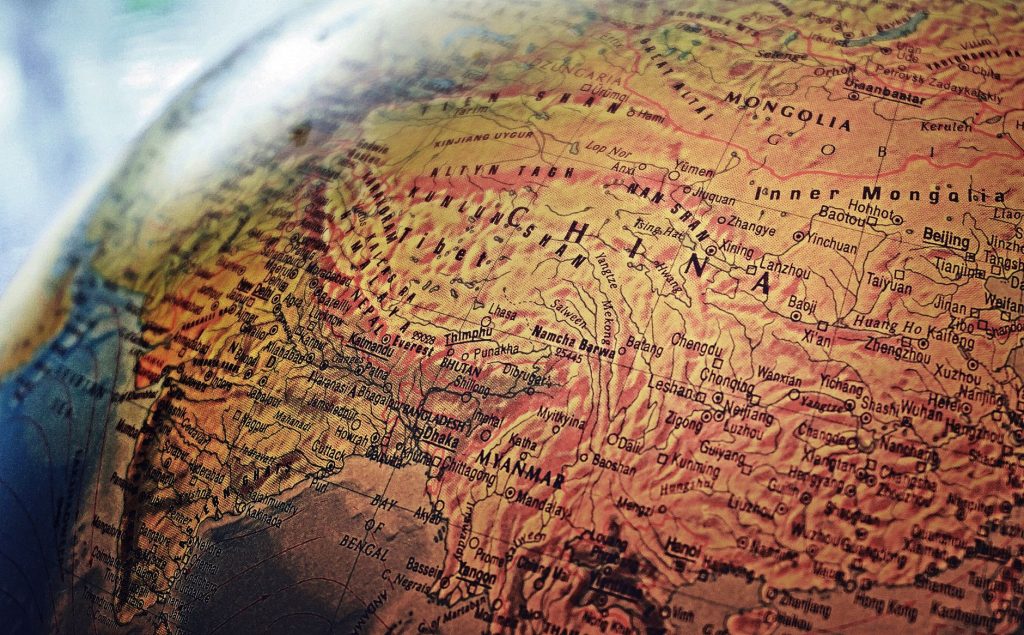
India-China bilateral talks have become a focal point of discussion as Salman Khurshid seeks transparency regarding the negotiations. Jairam Ramesh has raised critical questions for PM Modi.
Current Status of India-China Relations
The current status of India-China relations remains complex and multifaceted, characterized by both challenges and opportunities. Recently, the **India-China bilateral talks** have been under scrutiny, especially following concerns raised by political leaders regarding transparency and clarity in diplomatic communications.
Key developments include:
- The ongoing stand-off at the Line of Actual Control (LAC), where tensions have escalated intermittently.
- Increased military presence on both sides, raising concerns about potential conflicts.
- Efforts to engage through diplomatic channels, with both nations expressing a commitment to dialogue.
- Calls from opposition leaders, such as Congress’ Salman Khurshid, for more transparency regarding the outcomes of the bilateral talks.
As the situation evolves, analysts emphasize the need for constructive engagement to address underlying issues. Both countries face significant challenges, but there remains hope that sustained dialogue can lead to a more stable and cooperative relationship.
Key Questions Raised by Jairam Ramesh
In the wake of heightened tensions and ongoing India-China bilateral talks, Congress leader Jairam Ramesh has raised several key questions aimed at Prime Minister Modi. These inquiries reflect a growing concern among the public regarding the transparency of diplomatic engagements between the two nations.
Ramesh’s questions include:
- What specific outcomes are expected from the ongoing India-China bilateral talks?
- How will the government ensure that national security is prioritized in negotiations?
- What measures are being taken to address the concerns of citizens living in border areas?
- Will there be a public disclosure of the discussions and agreements made during these talks?
Given the historical complexities of India-China relations, Ramesh emphasizes the necessity for clarity and accountability. The Congress party argues that such transparency is crucial for fostering public trust and ensuring that the government’s approach to international relations aligns with the interests of the Indian populace.
Salman Khurshid’s Call for Transparency
In a recent statement, former External Affairs Minister Salman Khurshid has emphasized the importance of transparency regarding India-China bilateral talks. His call for clarity comes in the wake of questions raised by Congress leader Jairam Ramesh, who has urged Prime Minister Modi to address specific concerns regarding the ongoing dialogue with China.
Khurshid highlighted the need for the Government to openly communicate the nature and outcomes of these discussions, arguing that the public deserves to know the implications of the negotiations on national security and regional stability. He stated, “Transparency is not just a demand; it is a necessity in diplomatic engagements, especially with a neighbor like China.”
The former minister’s remarks resonate with a growing sentiment among political leaders and citizens alike, who seek assurance that India’s interests are being safeguarded. As the geopolitical landscape evolves, the need for clear communication from the government has never been more crucial, with many urging that the details of the India-China bilateral talks be shared openly.
Implications of the Bilateral Talks
The implications of the India-China bilateral talks extend beyond immediate diplomatic relations, affecting regional stability and international dynamics. Both nations are significant players in Asia, and their interactions can influence global trade patterns and security arrangements.
One major implication is the potential for enhanced cooperation in areas such as trade and environmental issues. If the two countries can establish a framework for constructive dialogue, it could lead to economic benefits for both sides. However, failure to address border disputes may exacerbate tensions, leading to increased military presence along their shared border.
Furthermore, the outcome of these talks may impact regional alliances. Countries in the Indo-Pacific region are closely monitoring the situation, as a stronger India-China relationship could shift the balance of power, prompting neighboring countries to reevaluate their own diplomatic strategies.
In conclusion, the India-China bilateral talks hold significant potential to reshape the geopolitical landscape, making transparency and effective communication between the two nations essential for fostering peace and cooperation.
Photo by Suzy Hazelwood on Pexels
Sources
You might also like
AI 3D membrane mapping: Quick automation matches manual results · Microfluidic system: Is it the best solution for particle enrichment? · Restaurant Chain Closures: The Worst Impact on Communities