Centaur object rings: What is the real mystery behind them?
 Justin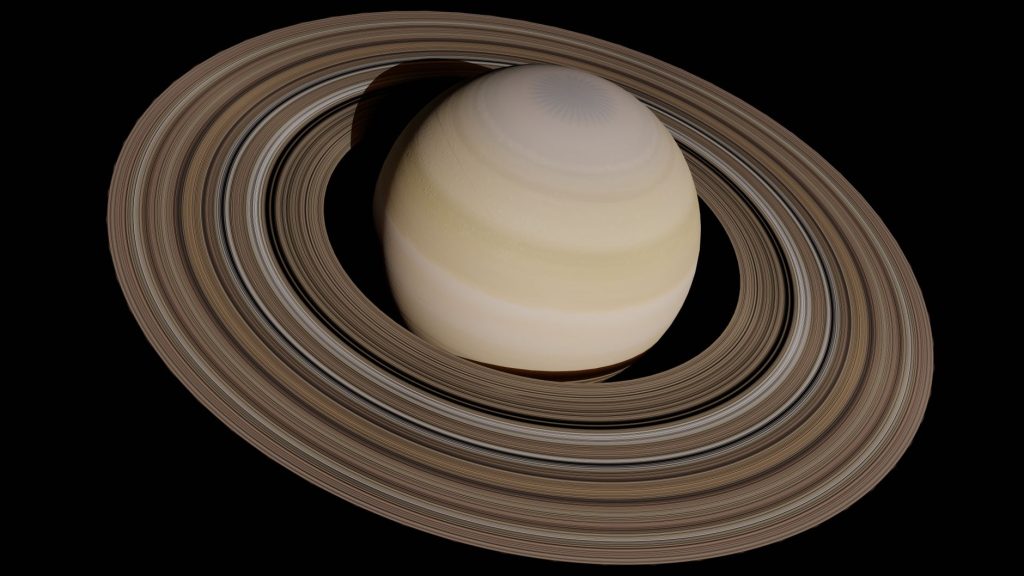
The centaur object rings are captivating astronomers with their mysterious nature. Recent studies suggest that this strange object between Saturn and Uranus has rings that change in appearance, prompting further investigation into its origins and characteristics.
The Discovery of the Centaur Object
A recent study utilizing the James Webb Space Telescope has shed light on a fascinating celestial phenomenon: the centaur object rings. Discovered between the orbits of Saturn and Uranus, this centaur object has captured the attention of astronomers due to its unusual characteristics.
The object appears to possess rings that change over time, raising intriguing questions about their formation and stability. Astronomers categorize centaur objects as icy bodies that typically exhibit traits of both asteroids and comets, but the presence of these dynamic rings adds a layer of complexity to their classification.
In this particular case, researchers observed that the rings undergo significant alterations, suggesting that they may be influenced by external factors such as gravitational interactions with nearby celestial bodies. The study highlights the following key points:
- Unexpected Dynamics: The rings of the centaur object are not static, challenging existing models of ring formation.
- Potential for New Discoveries: The changing nature of the rings may indicate ongoing processes that are not yet understood.
- Broader Implications: Understanding these rings could provide insights into the history and evolution of similar celestial bodies in our solar system.
Understanding the Changing Rings
The recent study of a centaur object located between Saturn and Uranus has unveiled intriguing details about its changing rings. These rings, which appear to be in a constant state of flux, have left astronomers puzzled about their origins and composition.
One of the key aspects of understanding these centaur object rings is the variability in their brightness and structure. Observations made by the James Webb Space Telescope suggest that these rings may be influenced by various dynamic processes. Researchers speculate that factors such as gravitational interactions with nearby celestial bodies, as well as the object’s own rotation, could play significant roles in the changes observed.
Additionally, scientists are investigating the materials that make up these rings. Preliminary analyses indicate a mix of ice, dust, and possibly even organic compounds. This diverse composition raises questions about how these elements came together and what they reveal about the early solar system.
As studies continue, the real mystery behind the centaur object rings may soon unfold, offering insights not just into this unique object but also into the broader dynamics of celestial mechanics within our solar system.
Implications for Astronomy
The discovery of the centaur object rings has profound implications for our understanding of celestial bodies in the outer solar system. These rings challenge existing theories about the formation and evolution of planetary ring systems. Traditionally, rings have been associated with larger planets like Saturn, but the presence of rings around a centaur object raises questions about the processes that lead to ring formation.
Scientists now face the task of unraveling the mysteries of these enigmatic structures. By studying the composition and dynamics of the centaur object rings, researchers aim to gain insights into the conditions that allow such features to develop around smaller celestial bodies. This could lead to a reevaluation of how we categorize and understand these objects.
Furthermore, the findings suggest that similar rings may exist around other centaur objects, potentially expanding our knowledge of the characteristics and behaviors of these bodies. As astronomers continue to investigate this area, they will likely uncover more about the history of the solar system and the processes that govern the formation of its many diverse components.
Ultimately, the mystery surrounding centaur object rings not only captivates astronomers but also invites a broader audience to appreciate the complexities of our universe.
Future Research Directions
As researchers continue to unravel the mysteries of centaur object rings, future investigations are crucial for a deeper understanding of these celestial phenomena. The intriguing characteristics of centaur objects—especially their evolving ring systems—pose several questions that warrant further study.
Future research directions may include:
- Advanced Observation Techniques: Utilizing next-generation telescopes and observational methods to gather more detailed data on centaur objects and their rings.
- Comparative Analysis: Examining other celestial bodies with ring systems to identify commonalities and differences, which could shed light on the formation processes of centaur object rings.
- Modeling Dynamics: Developing sophisticated models to simulate the gravitational interactions and material dynamics that result in the formation and evolution of rings around centaur objects.
- Collaboration with Space Missions: Partnering with upcoming space missions to collect in-situ data from centaur objects, allowing for a more comprehensive understanding of their structure and behavior.
As scientists delve into these future research directions, the enigmatic nature of centaur object rings continues to captivate astronomers and enthusiasts alike, promising exciting discoveries ahead.
Photo by Zelch Csaba on Pexels
Sources
You might also like
India-China bilateral talks: What’s the real story? · AI 3D membrane mapping: Quick automation matches manual results · Microfluidic system: Is it the best solution for particle enrichment?