H-1B visa remarks: The Wrong Way to Discuss Immigration
 Justin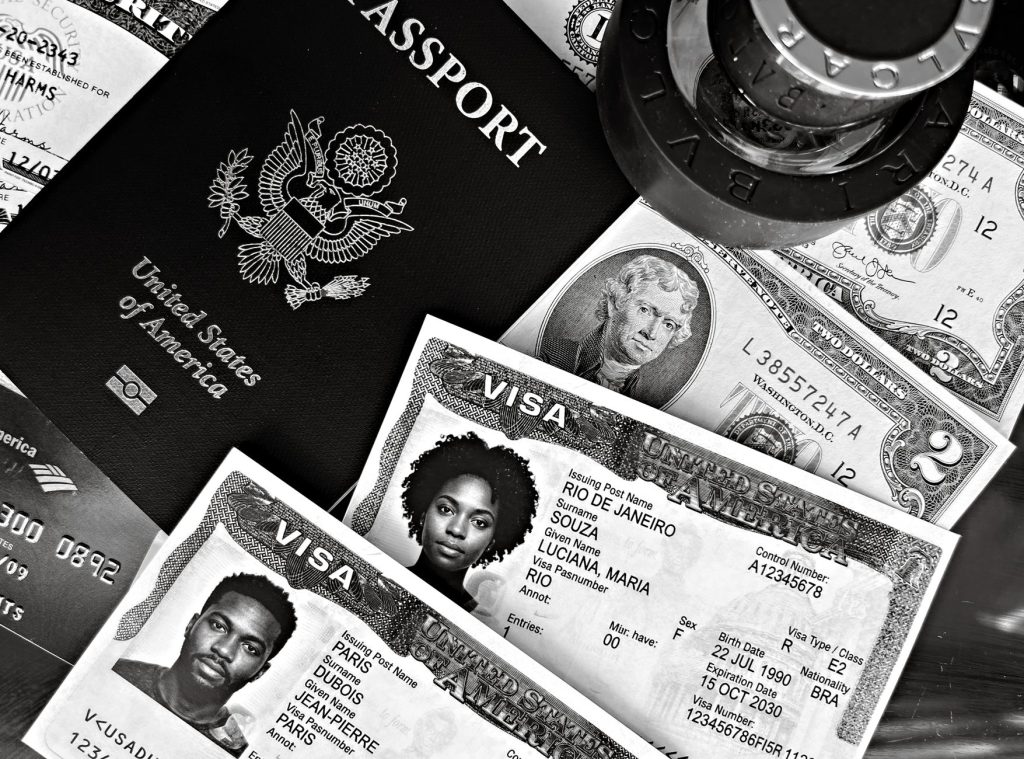
H-1B visa remarks have ignited a heated debate about immigration in the U.S. India has called out JD Vance over his deeply offensive comments, highlighting the importance of understanding immigrant contributions.
Background on H-1B Visas
The H-1B visa program has long been a focal point in discussions about immigration policy in the United States. Established to allow U.S. employers to temporarily employ foreign workers in specialty occupations, the H-1B visa has become essential for many companies seeking skilled labor, particularly in fields such as technology, engineering, and healthcare.
Critics argue that the program is often misused, leading to a perception that it undermines job opportunities for American workers. However, proponents emphasize that the H-1B visa is crucial for filling gaps in the labor market, particularly in sectors facing shortages of qualified candidates.
Recent remarks regarding H-1B visas have sparked controversy, with officials highlighting the negative tone surrounding immigration discussions. The backlash stems from comments perceived as dismissive of the contributions immigrants make to the U.S. economy and society.
- Immigrants play a vital role in innovation.
- The H-1B visa program supports growth in high-demand industries.
- Negative rhetoric can hinder constructive dialogue about immigration reform.
In light of the ongoing debate, it is essential to approach discussions around H-1B visa remarks thoughtfully and with an understanding of their broader implications.
India’s Response to Vance
In response to JD Vance’s recent remarks regarding the H-1B visa program, Indian officials have expressed strong disapproval, labeling his comments as “deeply offensive.” The controversy erupted after Vance suggested that immigrants on H-1B visas negatively impact the job market in the United States, a claim that has drawn widespread criticism.
The Indian government emphasized that the contributions of immigrants, particularly those working under the H-1B visa program, have been significant to the U.S. economy. A spokesperson for the Indian Ministry of External Affairs stated, “US history is shaped by immigrants, who have played a vital role in advancing innovation and growth.”
Furthermore, key Indian business leaders echoed these sentiments, asserting that many H-1B visa holders are highly skilled professionals in fields such as technology, engineering, and healthcare. They argue that rather than being a burden, these individuals fill crucial gaps in the workforce.
As the debate continues, it is clear that discussions surrounding immigration and the H-1B visa remarks must be approached with a greater understanding of the positive impacts immigrants have had on American society and its economy.
The Role of Immigrants in U.S. History
The history of the United States is profoundly intertwined with the contributions of immigrants, who have played a pivotal role in shaping the nation’s identity and success. From the early settlers to modern professionals, immigrants have been at the forefront of innovation, culture, and economic growth.
Throughout the years, various waves of immigration have enriched American society, introducing diverse perspectives and skills. This has been particularly evident in sectors like technology, healthcare, and education, where immigrant professionals have made significant impacts. The H-1B visa remarks made by public figures can sometimes overshadow this remarkable legacy, framing immigration in a negative light rather than recognizing its benefits.
Moreover, immigrants have not only filled essential roles in the workforce but have also driven entrepreneurship. Many successful companies were founded by immigrants, contributing to job creation and economic vitality. The resilience and determination of these individuals reflect the core values of the American spirit.
As discussions around immigration policies continue, it is crucial to acknowledge and celebrate the invaluable role that immigrants have played throughout U.S. history. Their stories and contributions should serve as a reminder of the strength found in diversity and inclusion.
Controversial Comments Explained
Recent remarks regarding the H-1B visa have sparked significant controversy, particularly from Indian officials. The comments, made by U.S. politician JD Vance, have been described as “deeply offensive” and have drawn sharp criticism for their implications about immigrants and their contributions to the U.S. economy.
Many argue that such statements fail to recognize the integral role that immigrants play in various sectors, especially in technology and engineering. Vance’s remarks suggest a narrow view of immigration, which overlooks the facts about the H-1B visa program and its benefits.
Critics highlight that:
- The H-1B visa program is essential for filling skill gaps in the U.S. workforce.
- Immigrants, particularly from India, have been instrumental in driving innovation and economic growth.
- Such rhetoric can foster a divisive atmosphere that undermines the contributions of millions.
As India responds to these H-1B visa remarks, it emphasizes the importance of embracing a more inclusive dialogue about immigration, one that reflects the historical and ongoing contributions of immigrants to American society.
Public Reaction to Vance’s Remarks
Public reaction to Vance’s remarks on H-1B visas has been swift and multifaceted, reflecting a broad spectrum of opinions across various communities. Many have criticized his statements as not only misleading but also damaging to the ongoing discourse surrounding immigration in the United States.
Supporters of the H-1B visa program argue that these remarks undermine the significant contributions that skilled immigrants make to the American economy. They highlight that individuals on H-1B visas often hold critical roles in technology, healthcare, and education, driving innovation and growth in these sectors.
Opponents of Vance’s viewpoint include:
- Business Leaders: Many in the business community have expressed concerns that such remarks may deter talented individuals from seeking opportunities in the U.S., potentially stifling economic progress.
- Advocacy Groups: Various immigrant advocacy organizations have labeled the comments as “deeply offensive,” calling for a more nuanced and respectful conversation about immigration policies.
- Political Analysts: Some commentators suggest that Vance’s remarks are part of a broader trend in political rhetoric that seeks to scapegoat immigrants for economic issues.
Overall, the public reaction underscores the sensitivity surrounding discussions of immigration, particularly in the context of H-1B visa remarks.
Future of Immigration Policy
The future of immigration policy in the United States remains a contentious topic, particularly in light of recent remarks regarding the H-1B visa program. As discussions continue, it is vital to recognize the implications of such comments on both the perception and treatment of immigrants in the country.
Many experts argue that a balanced approach to immigration is crucial for the economy. The H-1B visa program, which allows U.S. companies to employ foreign workers in specialty occupations, plays a significant role in filling skill gaps and driving innovation.
As policymakers contemplate reforms, they must consider:
- The economic contributions of immigrants: Studies have shown that immigrants boost productivity and create jobs.
- Public sentiment: The backlash against controversial remarks highlights the importance of promoting a positive narrative around immigration.
- Global competition: Countries that attract skilled workers will likely lead in technological advancements and economic growth.
It is essential for future discussions to focus on constructive solutions rather than divisive rhetoric. The recent H-1B visa remarks serve as a reminder of the need for empathy and understanding in shaping immigration policy.
Comparative Views on Immigration
As the debate around H-1B visa remarks continues, various perspectives on immigration have emerged, highlighting how different cultures and nations perceive the contributions of immigrants. While some political figures in the U.S. express skepticism towards foreign workers, others emphasize the essential role immigrants play in advancing the economy and fostering innovation.
In India, the reaction to recent comments made by U.S. Senator JD Vance illustrates a strong national pride and a recognition of the significant impact that Indian professionals have had in various sectors across the United States. Indian officials have pointed out that the history of the U.S. is deeply intertwined with the contributions of immigrants from diverse backgrounds.
Comparative views often highlight the contrasting narratives surrounding immigration. For instance:
- Supporters of immigration argue that it enriches the cultural fabric and drives economic growth.
- Critics often focus on job competition and economic strain, overlooking the broader contributions of immigrant communities.
- Advocates stress that remarks like those regarding the H-1B visa are detrimental to the ongoing conversation about immigration policy.
Ultimately, the dialogue surrounding immigration should reflect the values of inclusivity and respect for the contributions of all individuals.
The recent H-1B visa remarks have sparked a heated debate about the true impact of immigration on the job market. It is crucial to approach H-1B visa remarks with a balanced perspective, considering both the benefits and challenges they present.
Photo by DΛVΞ GΛRCIΛ on Pexels
References
Related reading
US green card programme: Is it the worst for Indian pros? · Scholar Exchange Visas: The Real Impact on Top Universities · Indian IT Firms Green Card Suspension: A Clear Concern