Mamdani Oct. 7 Statement: The Worst Reaction Yet
 Justin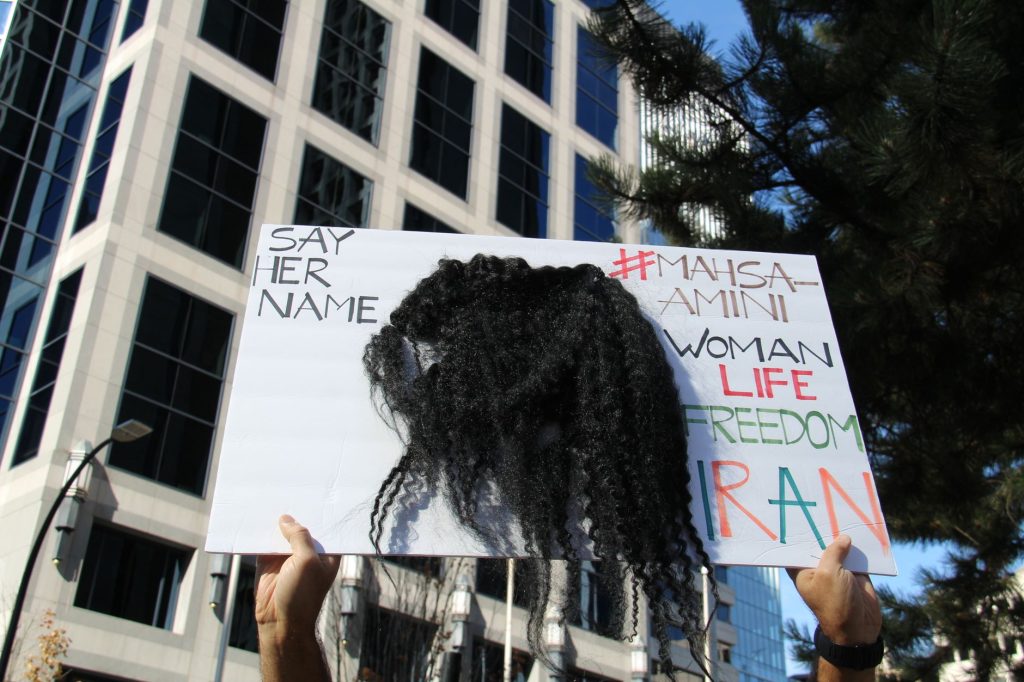
Mamdani Oct. 7 statement has drawn significant anger due to its focus on Palestinians, igniting a heated debate across various platforms. This reaction highlights the complexities surrounding the ongoing conflict.
Understanding Mamdani’s Statement
Mamdani’s Oct. 7 statement has sparked significant controversy and backlash, drawing attention to his views on the ongoing conflict involving Palestinians. In his remarks, he attempted to address the complexities surrounding the situation but instead provoked outrage among various groups.
Critics argue that Mamdani’s comments were not only insensitive but also lacked a nuanced understanding of the historical context and the suffering experienced by Palestinians. Some key points of contention include:
- Oversimplification of Issues: Many believe that his statement reduced the multifaceted conflict to a singular narrative, failing to capture the depth of the crisis.
- Misrepresentation of Facts: Critics have pointed out that certain claims made in his statement were misleading, potentially skewing public perception.
- Impact on Dialogue: The reaction to Mamdani’s Oct. 7 statement underscores the challenges of discussing sensitive political topics in a polarized environment.
Supporters of Mamdani argue that he was merely attempting to foster dialogue and emphasize the need for peace. However, the backlash indicates that his approach may have alienated those who feel their experiences and perspectives were overlooked.
As discussions around this statement continue, it remains clear that the topic of Palestine elicits strong emotions and divergent viewpoints.
Public Reactions to the Statement
The recent Mamdani Oct. 7 statement has ignited a firestorm of criticism from various quarters, reflecting a deep divide in public opinion. Many have expressed outrage over the perceived insensitivity of his remarks, particularly in relation to the ongoing conflict in the region.
Social media platforms have been flooded with reactions, showcasing a range of sentiments:
- Supporters of Mamdani argue that his statement was a necessary critique aimed at raising awareness about the plight of Palestinians.
- Opponents, however, have labeled it as tone-deaf and inflammatory, asserting that it minimizes the suffering of affected communities.
- Several prominent figures in academia and politics have publicly condemned the statement, emphasizing the need for sensitivity in discussions surrounding such a volatile issue.
- Some activists have taken to organizing protests, demanding accountability and a retraction of the statement.
Amidst the backlash, a few voices have emerged calling for a more nuanced discussion, suggesting that the outrage may overshadow the core issues at hand. Nonetheless, the consensus appears to lean heavily towards disappointment and frustration with the content and timing of the Mamdani Oct. 7 statement.
The Impact on Palestinian Issues
The recent Mamdani Oct. 7 statement has sparked significant debate regarding its implications for Palestinian issues. Critics argue that his remarks may further strain the fragile dialogue surrounding the Israeli-Palestinian conflict. The statement, perceived by many as dismissive, has raised concerns about its potential to alienate supporters of Palestinian rights.
In particular, several key points have emerged from the fallout:
- Increased Tension: The statement has fueled existing tensions within activist communities, leading to divisions among those advocating for Palestinian rights.
- Backlash Against Advocacy: Many feel that Mamdani’s remarks undermine the validity of Palestinian struggles, risking the solidarity essential for progress.
- Media Scrutiny: The media coverage surrounding his statement has intensified, with various outlets dissecting its implications and prompting further discussions on the matter.
- Impact on Future Discourse: The reaction to the statement may influence how future discussions about Palestinian issues are framed, potentially sidelining important narratives in favor of more controversial viewpoints.
The overall impact of the Mamdani Oct. 7 statement is yet to be fully realized, but it is clear that its repercussions will resonate within the broader discourse on Palestinian rights and advocacy.
Context of the October 7 Remarks
The recent Mamdani Oct. 7 statement has stirred significant controversy, reflecting deeper tensions surrounding the Israeli-Palestinian conflict. Scholars and political analysts have noted that the timing and content of his remarks have the potential to polarize opinions further, rather than foster dialogue.
In his statement, Mamdani emphasized the historical context of the Palestinian struggle, which resonated with some but was perceived as dismissive by others. Critics argue that by focusing on the Palestinian perspective, he neglected the complexity of the current situation in Israel, thereby alienating many who feel that acknowledging both sides is essential to any meaningful discussion.
Furthermore, the backlash against Mamdani’s comments has highlighted the fragile nature of discourse surrounding this sensitive topic. The reactions have come from various quarters, including political leaders, academic circles, and social media platforms. Many have expressed concerns that his remarks could exacerbate existing divisions and hinder efforts toward reconciliation.
As the aftermath of the Mamdani Oct. 7 statement continues to unfold, it is clear that the implications extend beyond Mamdani himself. The broader conversation surrounding the Israeli-Palestinian conflict remains fraught with challenges, requiring careful navigation to promote understanding and peace.
The Mamdani Oct. 7 statement has drawn widespread criticism for its perceived lack of empathy. Many believe the Mamdani Oct. 7 statement fails to address the complexities of the current situation.
Photo by Sima Ghaffarzadeh on Pexels