Imran Khan supporters: The Worst Showdown Brewing in Pakistan
 Justin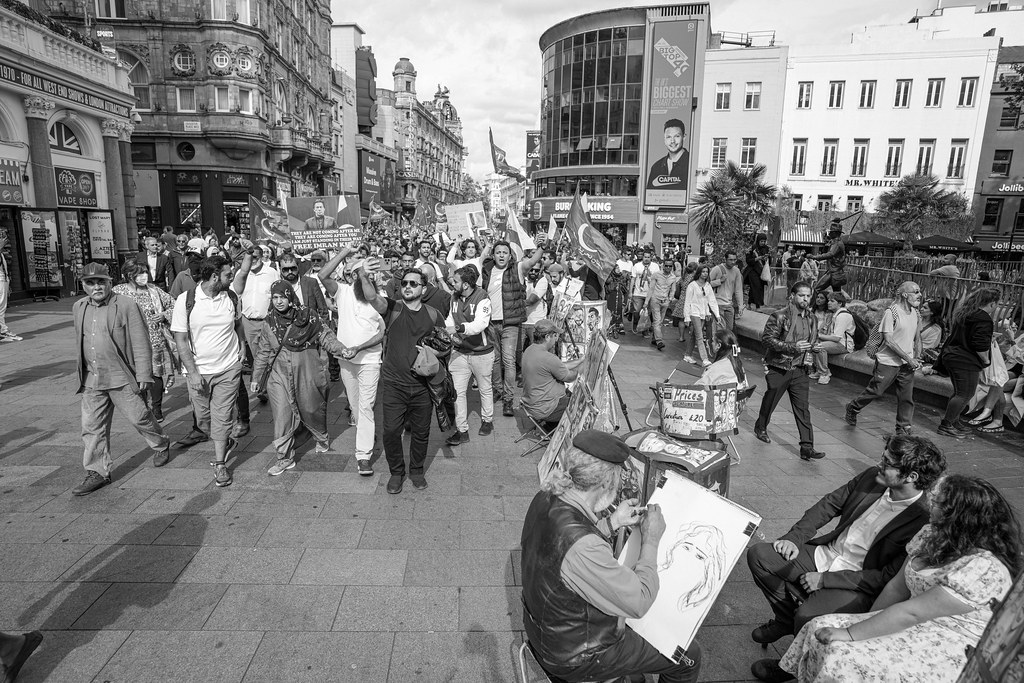
Imran Khan supporters have hit the streets following failed talks, indicating a brewing showdown in Pakistan. The situation is becoming increasingly tense as political divisions deepen.
Background of the Political Crisis
The political landscape in Pakistan has been increasingly volatile, with tensions rising significantly following the failed negotiations between the government and Imran Khan supporters. The former Prime Minister’s ousting in April 2022 ignited widespread unrest, and his followers have remained steadfast in their demands for new elections.
The recent talks aimed at resolving the ongoing crisis were expected to bring some respite, but instead, they ended in disappointment. This has led to a resurgence of protests across major cities, where supporters of Imran Khan have taken to the streets in large numbers, expressing their frustration and calling for immediate action.
Key factors contributing to the current political crisis include:
- Economic Strain: The country is grappling with high inflation and rising unemployment, which has fueled public discontent.
- Political Polarization: Divisions between Khan’s supporters and the ruling coalition have deepened, hindering any possibility of compromise.
- Legal Battles: Khan faces multiple legal challenges, which his supporters claim are politically motivated, further complicating the situation.
As protests escalate, the future of Pakistan’s political stability hangs in the balance, with Imran Khan supporters poised to play a critical role in shaping the outcome.
Recent Events Leading to Protests
Recent weeks have seen a significant escalation in tensions across Pakistan, primarily fueled by the discontent among Imran Khan supporters. Following failed negotiations between the government and opposition parties, many citizens have taken to the streets in protest, expressing their frustration over the political stalemate.
The catalyst for these protests was a series of unsuccessful talks aimed at resolving ongoing disputes regarding the upcoming elections. Many view the current political climate as increasingly volatile, with accusations of governmental overreach and calls for democratic reforms resonating among the populace.
As a result, multiple cities have witnessed demonstrations, where Imran Khan supporters have rallied together, chanting slogans and demanding accountability from their leaders. The protests have been characterized by:
- Mass gatherings in major urban centers, showcasing the strength of the movement.
- Clashes with law enforcement as police respond to attempts to block key roadways.
- Calls for unity among different factions of the political landscape to address the discontent.
In this charged atmosphere, the potential for a larger confrontation looms, prompting many to question what the future holds for Pakistan’s political stability.
Imran Khan’s Response to Supporters
In response to the escalating tensions and the recent failure of negotiations, Imran Khan has taken a definitive stance, urging his supporters to remain steadfast amidst the turmoil. In a public address streamed live, Khan expressed his gratitude to the Imran Khan supporters who have gathered across major cities, emphasizing their role in the fight for democracy and justice.
Khan articulated the importance of peaceful protests, calling on his followers to exercise their right to free speech and assembly. He stated, “We cannot allow our voices to be silenced. The future of our nation depends on our unity and resilience.” His impassioned words resonate with many, as they rally around his call for action.
Moreover, Khan highlighted specific grievances that have fueled the protests, including:
- Allegations of political oppression against his party members.
- Concerns over the integrity of upcoming elections.
- Economic challenges faced by ordinary citizens.
As the situation develops, Khan’s supporters remain undeterred, vowing to take to the streets until their demands are met, signaling a potentially volatile period ahead for Pakistan’s political landscape.
Impact on Pakistan’s Stability
The ongoing political crisis in Pakistan has raised significant concerns regarding the nation’s stability. With Imran Khan supporters taking to the streets in large numbers, the potential for unrest has intensified. The protests have not only disrupted daily life but have also put immense pressure on the government to respond effectively.
The situation is further complicated by the general public’s perception of the political elite. Many citizens, disillusioned by years of political mismanagement, view Imran Khan as a beacon of hope. His supporters believe that the current government is illegitimate and that Khan’s leadership is crucial for restoring democracy and economic stability in the country.
As tensions escalate, various sectors are bracing for the fallout. The economy, already fragile, faces additional pressure from the chaos, while law enforcement agencies are preparing for potential clashes. The government’s inability to address the demands of Imran Khan supporters could lead to a wider backlash, causing a ripple effect across the political landscape.
- Increased street protests could lead to further violence.
- Public services may be disrupted, affecting daily activities.
- Political instability may deter foreign investment.
As the situation develops, the implications for Pakistan’s governance and social fabric remain uncertain.
International Reactions to the Situation
As the political crisis in Pakistan escalates, international reactions to the situation have been varied and significant. Observers are closely monitoring the actions of Imran Khan supporters, who have taken to the streets in protest after failed negotiations between the government and opposition factions.
The United Nations has expressed concern regarding the potential for violence, urging all parties to engage in dialogue and refrain from actions that could destabilize the region further. A spokesperson stated, “We call on all stakeholders to prioritize peace and stability, ensuring that the voices of citizens are heard without resorting to confrontation.”
Additionally, several Western nations have issued travel advisories, cautioning their citizens against visiting Pakistan amidst the growing unrest. The U.S. State Department emphasized the need for a peaceful resolution, highlighting the importance of democratic processes in addressing grievances.
In contrast, some regional allies have shown support for Imran Khan, emphasizing the need for Pakistan to navigate its political challenges internally. Analysts suggest that the polarization of international responses may reflect broader geopolitical interests in the region, further complicating the crisis.
As protests continue and tensions rise, the global community remains vigilant, aware that the actions taken in the coming days will be crucial in determining Pakistan’s political future.
Future Implications for Governance
The escalating tensions between Imran Khan supporters and the government are raising significant concerns about the future of governance in Pakistan. As protests intensify, the potential for a power vacuum looms large, which could destabilize the already fragile political landscape.
The ramifications of this unrest could be profound. Should the situation continue to deteriorate, we may witness a shift in the balance of power, leading to further polarization among political factions. This could hinder effective governance and policy-making, as competing interests clash in a volatile environment.
Moreover, the challenges posed by Imran Khan supporters could prompt a crackdown from authorities, escalating violence and civil unrest. A prolonged standoff may erode public trust in governmental institutions, resulting in a diminished capacity to address pressing issues like economic recovery and social stability.
Internationally, Pakistan’s reputation as a stable partner could be jeopardized, affecting foreign investment and diplomatic relations. The potential for sanctions or isolation cannot be overlooked as global powers react to the unfolding crisis.
Ultimately, the outcome of this brewing showdown will not only shape the future of Imran Khan’s political journey but also determine the trajectory of governance in Pakistan for years to come.
Public Sentiment on the Ground
Public sentiment on the ground in Pakistan has reached a boiling point as Imran Khan supporters hit the streets in a show of defiance. The failure of recent talks has intensified feelings of frustration among his loyal base, who believe their leader is being unjustly targeted. Demonstrations have erupted in multiple cities, with crowds chanting slogans in favor of Khan and against the current government.
Many supporters describe their commitment as unwavering, stating that they are willing to stand by Khan despite the political turbulence. As one supporter remarked, “We will not back down until our voices are heard and justice is served.” This sentiment reflects a broader trend among Khan’s followers, who feel a deep emotional connection to his leadership and vision for Pakistan.
Participation in these protests has been diverse, drawing in not just political activists but also ordinary citizens disillusioned with the status quo. Many families have joined the rallies, indicating a grassroots movement that transcends traditional political divides.
Social media has also played a pivotal role in mobilizing supporters, with hashtags related to Khan trending across platforms. As tensions continue to escalate, the situation remains fluid, and the potential for further unrest looms large over the nation’s political landscape.
As tensions rise across the nation, Imran Khan supporters are preparing for what could be a historic confrontation. The loyalty and passion of Imran Khan supporters may ultimately shape the future of Pakistan’s political landscape.
By alisdare1 via Openverse
Read the original
Related reading
Is Dry Docking Vessel the Best Solution for SAMUDRA PRABHA? · Marico Q2 growth: Proven demand trends and volume surge · Uttarakhand irrigation law: Is it the right change for farmers?