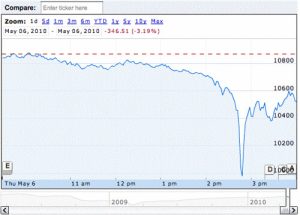
Intel stock drop signals worst setback for chip maker
 Justin
 Intel stock drop has raised eyebrows in the tech industry, especially after Elon Musk signaled potential setbacks for the chip maker.
What Caused the Intel Stock Drop?
The recent decline in Intel’s stock has raised concerns among investors and industry analysts alike. Several factors contributed to this significant drop, signaling what many view as the worst setback for the chip maker in recent history.
- Elon Musk’s Remarks: The situation escalated when Elon Musk made comments regarding the semiconductor industry that suggested a downturn in demand. His words sent shockwaves through the market, affecting not only Intel but the broader chip sector.
- Increased Competition: Intel has been facing fierce competition from rivals such as AMD and NVIDIA, which have gained significant market share with their advanced products. This has put pressure on Intel’s pricing and profit margins.
- Supply Chain Issues: Ongoing supply chain disruptions continue to plague the industry, affecting production timelines and operational efficiency. These challenges have hampered Intel’s ability to meet customer demands effectively.
- Market Sentiment: Overall market conditions have also shifted, with investors becoming increasingly wary of tech stocks amid economic uncertainty. This shift in sentiment has contributed to the Intel stock drop.
As Intel navigates these challenges, the future of the chip maker remains uncertain.
Impact of Elon Musk’s Statements
The recent drop in Intel stock has been significantly influenced by statements from tech mogul Elon Musk. His remarks regarding the future of semiconductor manufacturing have raised concerns among investors, leading to increased volatility in Intel’s market performance.
Musk, known for his outspoken views, suggested that the industry might face tougher challenges ahead, which directly affects perceptions of companies like Intel. Following his comments, shares of Intel saw a sharp decline, reflecting a broader unease about the chip maker’s competitive position in a rapidly evolving market.
Analysts are now reevaluating their forecasts for Intel, positioning the company in a less favorable light compared to rivals. The implications of Musk’s statements extend beyond immediate market reactions, as they have sparked discussions about the long-term viability of traditional chip manufacturers in the face of emerging technologies.
Investors are urged to consider the following points:
- Market Sentiment: Reactions to influential figures can drive stock prices dramatically.
- Competitive Landscape: The semiconductor industry is undergoing significant changes.
- Future Outlook: Analysts remain divided on Intel’s recovery potential following this setback.
The Intel stock drop serves as a reminder of how external factors can impact even established companies in the tech sector.
Market Reaction to Intel’s Performance
The recent Intel stock drop has sent shockwaves through the market, affecting investor confidence and raising concerns about the company’s future performance. Analysts have noted that the significant decline in share prices is indicative of broader issues within the semiconductor industry, which is facing increased competition and supply chain challenges.
In the wake of Elon Musk’s comments regarding the chip maker’s struggles, many investors reacted swiftly, leading to a marked sell-off in Intel shares. The market’s response can be summarized through several key points:
- Investor Sentiment: The uncertainty surrounding Intel’s ability to innovate has led to a cautious approach from investors.
- Comparison to Competitors: Rival companies are gaining ground, further exacerbating fears about Intel’s market position.
- Future Projections: Analysts have downgraded their forecasts, which has compounded negative sentiment toward the stock.
As the situation unfolds, market participants will be closely monitoring Intel’s next moves and whether the company can recover from this setback. The outlook remains uncertain, with many hoping for a strategic turnaround to restore confidence.
Future Outlook for Intel
The recent Intel stock drop has left investors questioning the company’s future trajectory. As the semiconductor industry faces increasing competition and supply chain challenges, Intel must adapt rapidly to maintain its market position.
Analysts suggest several strategies the company could employ to recover:
- Investment in R&D: Increasing funds for research and development could lead to innovative products that regain consumer trust and market share.
- Partnerships: Forming strategic alliances with other tech firms may enhance Intel’s capabilities in emerging technologies such as artificial intelligence and quantum computing.
- Cost Management: Streamlining operations and cutting unnecessary expenditures could improve profit margins and boost stock performance over time.
- Market Expansion: Exploring new markets, especially in regions with growing demand for technology, could provide additional revenue streams.
While the Intel stock drop raises concerns, industry experts remain cautiously optimistic. If the company can execute a robust strategy, it may overcome current setbacks and emerge stronger in the competitive landscape.
Comparative Analysis with Competitors
The recent Intel stock drop has drawn attention to the company’s performance in comparison to its key competitors in the semiconductor industry. Market analysts are closely watching how Intel stacks up against rivals such as AMD and NVIDIA, both of which have shown more resilient stock performance in the face of economic challenges.
Several factors contribute to this comparative analysis:
- Market Share: AMD has gained significant market share in the CPU segment, particularly in gaming and data center applications, while Intel has struggled to keep pace.
- Innovation: NVIDIA’s advancements in AI and graphics processing technology have kept their stock buoyant, contrasting sharply with Intel’s recent setbacks in product development.
- Financial Performance: While Intel’s earnings have declined, AMD and NVIDIA have reported stronger profit margins, showcasing their ability to navigate the current market landscape effectively.
As the semiconductor market evolves, the Intel stock drop signals not only immediate concerns for the company but also highlights the growing competitive pressures it faces from more agile and innovative firms.
Investor Sentiment on Chip Makers
Investor sentiment surrounding chip makers has taken a significant hit in light of the recent Intel stock drop. Market analysts have noted a growing concern among investors regarding the overall health of the semiconductor industry, especially given Intel’s recent challenges.
Several factors contribute to this negative sentiment:
- Increased Competition: Rivals such as AMD and NVIDIA continue to gain market share, leading investors to question Intel’s ability to maintain its position.
- Economic Factors: Macroeconomic uncertainties, including inflation and supply chain disruptions, have heightened concerns about future demand for chips.
- Technological Lag: Intel has faced criticism for falling behind in technological advancements, which raises doubts about its innovation capabilities.
Additionally, the ripple effects of public statements from influential figures like Elon Musk have intensified scrutiny on Intel’s strategic decisions. Investors are increasingly cautious, as the confidence in Intel’s ability to rebound appears to wane. This shift in sentiment not only affects Intel but also impacts the broader chip manufacturing sector, raising questions about future investments and growth potential. As such, stakeholders are closely monitoring the developments surrounding this iconic chip maker.
The recent Intel stock drop has raised concerns among investors about the company’s future in the competitive semiconductor market. Analysts are now closely monitoring the implications of this Intel stock drop on the overall industry landscape.