G20 family photo: Worst diplomatic fallout over Lavrov
 Justin
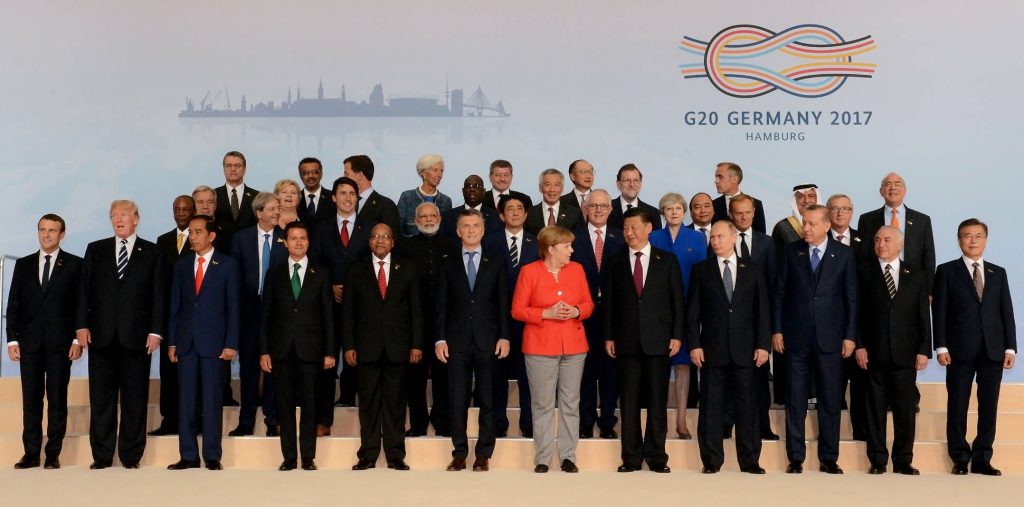
The G20 family photo has become a focal point of controversy as the U.S. scraps it due to objections from European nations about Russia’s Lavrov being included.
Background of the G20 Summit
The G20 Summit, a prominent forum for international economic cooperation, has often been a stage for both collaboration and contention among world leaders. This year, the gathering faced significant challenges, primarily due to Russia’s participation under the leadership of Foreign Minister Sergey Lavrov. The backdrop of the conflict in Ukraine has intensified scrutiny on Russia’s role in global affairs, leading to a rift among member nations.
Traditionally, the summit culminates in a G20 family photo, symbolizing unity among member states. However, the planned photograph this year became a source of diplomatic tension. European leaders expressed strong objections to the idea of being publicly associated with Lavrov, given the ongoing geopolitical tensions. The U.S. administration, recognizing the potential fallout, ultimately decided to scrap the family photo altogether.
This decision reflects broader concerns regarding international relations and the implications of Russia’s actions on global diplomacy. As nations navigate these complex dynamics, the G20 Summit continues to grapple with issues that extend beyond economic discussions, highlighting the intricate interplay of politics on the world stage.
Reactions from European Leaders
European leaders have expressed strong objections to the inclusion of Russia’s Foreign Minister Sergey Lavrov in the G20 family photo, leading to significant diplomatic tensions. This discontent arose after the U.S. announced that it would proceed with the family photo regardless of these concerns.
The decision to scrap the G20 family photo was met with approval from several European officials who feared that sharing the spotlight with Lavrov would undermine their stance on Russia’s actions. A prominent leader stated, “We cannot be seen to endorse the actions of a country that is currently facing international condemnation.”
Among the reactions, key points highlighted by European leaders included:
- Concern over the message sent by Lavrov’s presence
- Calls for unity among Western allies against Russian aggression
- Desire to maintain a strong diplomatic front
The fallout has raised questions about the future of diplomatic relations within the G20 framework, as leaders grapple with the implications of the canceled family photo and the broader geopolitical landscape.
Impact on U.S.-Russia Relations
The recent decision to cancel the G20 family photo has sparked significant concern regarding U.S.-Russia relations. The fallout from this diplomatic incident highlights the growing rift between Western nations and Russia, particularly under the leadership of Foreign Minister Sergey Lavrov.
In light of the objections raised by European leaders, the United States opted to forgo the traditional family photo, a symbolic gesture that reflects deeper tensions. This cancellation is emblematic of a broader sentiment among G20 members, indicating a unified stance against Russia’s actions on the global stage.
Analysts suggest that such diplomatic maneuvers may have lasting repercussions. The U.S. has long sought to maintain a level of engagement with Russia, but the ongoing conflict in Ukraine and Russia’s international conduct have strained these efforts. The absence of a G20 family photo reinforces the notion that cooperation is increasingly challenged by geopolitical realities.
As nations navigate this complex landscape, the symbolic gesture of a family photo—or the lack thereof—could serve as a poignant reminder of the fragile state of international relations in the current climate.
G20’s Role in Global Diplomacy
The G20 summit serves as a pivotal platform for global diplomacy, bringing together leaders from the world’s largest economies to address pressing issues. However, the recent controversy surrounding the G20 family photo has highlighted the complexities and tensions that can arise in international relations. The decision to exclude Russia’s Foreign Minister, Sergey Lavrov, from the official family photo has sparked significant debate among member nations.
Many European leaders expressed their discontent at being photographed alongside Lavrov, given the ongoing geopolitical tensions stemming from Russia’s actions in Ukraine. This incident represents a broader challenge for the G20, as the group must navigate the delicate balance between inclusivity and addressing the realities of the current global landscape.
As the world grapples with a multitude of crises, including climate change and economic instability, the effectiveness of the G20 in fostering cooperation is increasingly called into question. The fallout from this year’s family photo incident may serve as a turning point, prompting leaders to reassess their strategies for engagement and collaboration in future summits. Ultimately, the G20 must adapt to the evolving dynamics of global diplomacy if it hopes to maintain its relevance.
Future of International Cooperation
The recent controversy surrounding the G20 family photo highlights significant challenges facing international cooperation. As tensions rise between Western nations and Russia, the decision to exclude Russian Foreign Minister Sergey Lavrov from the family photo underscores a growing rift among G20 members.
Many leaders expressed concerns that sharing a moment of unity with Russia, especially in light of ongoing conflicts, could undermine their diplomatic positions. The G20 family photo, traditionally a symbol of collaboration and unity, has become a point of contention.
As nations grapple with the implications of this decision, several key issues arise:
- Trust Among Nations: The exclusion of Lavrov has raised questions about whether diplomatic relations can remain intact amidst escalating tensions.
- Future Summits: The fallout may lead to reevaluations of participation and engagement strategies in future G20 meetings.
- Global Unity: The incident raises concerns about the ability of the G20 to present a united front on pressing international issues.
Ultimately, the G20 family photo controversy serves as a stark reminder of the complexities involved in fostering international cooperation in a divided world.
By Casa Rosada via Openverse