Iran tankers on fire: Is it the worst maritime disaster?
 Justin
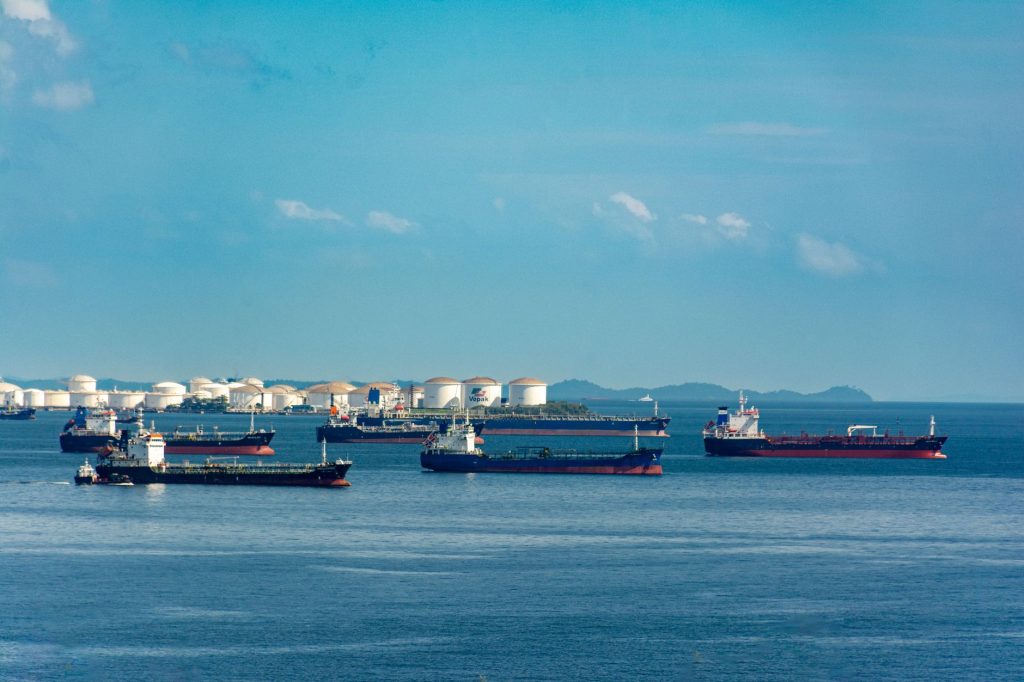
Iran tankers on fire incidents have sparked alarm after three vessels reportedly hit mines in the Strait of Hormuz. The situation poses significant risks for maritime safety in the region.
What Happened with the Iranian Tankers?
Several Iranian tankers are currently on fire following a serious incident in the strategic waters of the Hormuz Strait. Reports indicate that the vessels were struck by mines, leading to a rapid escalation of the situation. The Iranian navy has confirmed that three tankers have been affected, raising concerns about maritime safety and security in the region.
Eyewitness accounts describe billowing smoke and flames engulfing the ships, prompting emergency responses from nearby vessels. The implications of this event may extend beyond immediate damage, potentially affecting global shipping routes and oil prices.
As investigations unfold, questions arise regarding the origin of the mines and whether this incident could be classified as one of the worst maritime disasters in recent history. The situation remains fluid, with ongoing assessments of the damage and environmental impact.
Impact on Maritime Trade in Hormuz
The recent incident involving Iran tankers on fire has raised significant concerns regarding its impact on maritime trade in the strategically vital Strait of Hormuz. This narrow passage is crucial for global oil shipments, with approximately one-fifth of the world’s oil passing through its waters.
Shipowners and operators are now on high alert, fearing potential disruptions to their supply chains. The following factors highlight the situation’s seriousness:
- Increased Insurance Costs: The risk associated with navigating through the Strait may lead to higher insurance premiums for vessels operating in the area.
- Shipping Route Diversions: Some operators might opt for longer routes to avoid potential dangers, further impacting delivery times.
- Geopolitical Tensions: The incident could escalate tensions in the region, leading to more stringent regulations and security measures for maritime navigation.
As the situation evolves, the long-term ramifications on trade remain to be seen.
Responses from the Iranian Navy
The Iranian Navy has responded to the recent incident involving the Iran tankers on fire, stating that the vessels were struck by mines while navigating through the strategic Strait of Hormuz. In a statement, they emphasized their commitment to ensuring the safety of maritime routes and vowed to investigate the circumstances surrounding the explosion.
Furthermore, the Navy has deployed additional patrols in the area to prevent future incidents and to protect commercial shipping. They have expressed concerns about the potential for escalating tensions, highlighting the need for diplomatic dialogue to address maritime security challenges.
In light of this event, the Iranian Navy is calling on regional partners to collaborate on measures that safeguard maritime safety, thus mitigating the risks associated with navigation in these contested waters.
Safety Measures in the Strait of Hormuz
In light of the recent incident involving Iran tankers on fire, safety measures in the Strait of Hormuz have come under scrutiny. The narrow waterway is a vital route for global oil shipments, making it imperative to enhance maritime security.
Experts suggest the following safety protocols should be implemented:
- Increased Surveillance: Employing drones and satellite technology to monitor vessel movements can help detect potential threats early.
- Enhanced Training: Regular training programs for crew members on emergency response and fire safety can mitigate the risks associated with maritime disasters.
- Stronger Regulations: Establishing and enforcing stricter regulations regarding mine clearance in the region is crucial for ensuring safe navigation.
As the aftermath of the incident unfolds, the need for comprehensive safety improvements in the Strait of Hormuz is more pressing than ever.
Analysis of Recent Maritime Incidents
The recent incident involving Iranian tankers on fire has raised significant concerns regarding maritime safety in the Strait of Hormuz. This area, crucial for global oil transport, has witnessed an alarming increase in maritime incidents, particularly involving mines and other explosive devices.
Experts are analyzing the implications of these events, noting that the presence of naval mines poses a severe threat not only to Iranian vessels but also to international shipping routes. The strategic importance of Hormuz cannot be overstated, as nearly 20% of the world’s oil passes through this narrow waterway.
Furthermore, the potential for escalation in regional tensions adds to the complexity of the situation. As the Iranian navy responds to the fires on the tankers, the international community is left to ponder whether this could lead to the worst maritime disaster in recent years.
Global Reactions to Tanker Fires
The recent incident involving Iran tankers on fire has sparked a wave of global reactions, with many countries expressing deep concern over the potential ramifications.
Several nations have called for increased maritime security in the region, emphasizing the need for collaborative efforts to prevent further disasters. In particular, the United States and European allies have voiced their apprehension regarding the stability of oil supply routes through the Strait of Hormuz.
Others, including regional powers, have urged for restraint and dialogue to address the underlying tensions that contributed to the tanker fires.
International organizations are now calling for an independent investigation into the incident, aiming to clarify the circumstances surrounding the fires and assess accountability.
As the situation unfolds, the global community remains vigilant, wary of the implications this maritime disaster could have on international trade and security.
Future Implications for Shipping Routes
The recent incident involving Iran tankers on fire raises significant concerns about the future implications for shipping routes in the region. As tensions escalate, maritime traffic through the Strait of Hormuz may face increased scrutiny and potential disruptions. Key points to consider include:
- Rerouting Risks: Vessels may need to alter their paths, leading to longer transit times and higher fuel costs.
- Insurance Premiums: Shipping companies could face steep increases in insurance premiums due to heightened risks in the area.
- Geopolitical Tensions: The incident could further strain relations between Iran and neighboring countries, complicating international trade agreements.
- Increased Naval Presence: A potential rise in military naval operations may be seen as nations aim to secure their interests.
Overall, these developments could reshape maritime trade in one of the world’s most critical shipping lanes.
The recent incident involving Iran tankers on fire has raised serious concerns about maritime safety regulations. Experts are now debating whether the Iran tankers on fire represent the worst maritime disaster in recent history.
Photo by Zifeng Xiong on Pexels
Where this came from
Related stories
GTA VI preorder sales: Is it the worst for consoles? · Rajiv Sharma Zscaler: Smart Move for Government Sector Leadership · U19 Asia Cup Final: The Best Live Score Updates You Need