L. Murugan Resigns: A Quick Look at BJP’s Future in Tamil Nadu
 Justin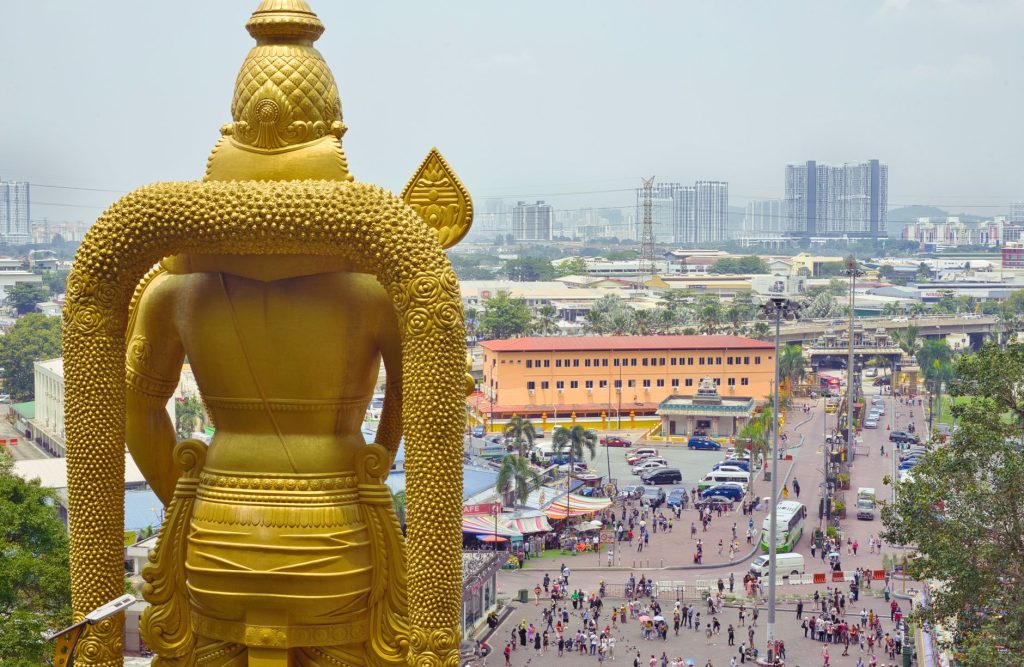
L. Murugan resigns from his ministerial position, expressing a desire to return to Tamil Nadu to bolster the BJP’s presence in the state.
Background on L. Murugan
L. Murugan, a prominent figure in Indian politics, served as the Union Minister of State for Information and Broadcasting before his recent resignation. His departure comes as he expresses a desire to return to Tamil Nadu, aiming to bolster the Bharatiya Janata Party’s (BJP) presence in the state. This strategic move is viewed as critical, especially given the party’s ambitions to expand its influence in a region traditionally dominated by other political parties.
Murugan, who has been a vocal advocate for various initiatives, has played a key role in several successful campaigns for the BJP. His tenure at the national level showcased his commitment to promoting the party’s agenda, yet his focus on Tamil Nadu reflects a shift towards local governance and grassroots mobilization.
As L. Murugan resigns, many are speculating about the implications for the BJP in Tamil Nadu. The party’s leadership will need to navigate the challenges of regional politics while leveraging Murugan’s experience and connections to strengthen their foothold in the state.
Impact of Resignation on BJP
The resignation of L. Murugan has sparked significant discussions regarding the future of the Bharatiya Janata Party (BJP) in Tamil Nadu. As a prominent figure, his departure could reshape the party’s strategies and influence in the state.
Political analysts highlight several potential impacts:
- Leadership Vacuum: Murugan’s exit may create a leadership gap, making it essential for the BJP to identify a suitable replacement who can rally support and maintain momentum.
- Revamping Strategies: His resignation urges the party to reassess its approach in Tamil Nadu, focusing on grassroots engagement and local issues to resonate better with voters.
- Alliance Dynamics: L. Murugan’s strong connections within political circles could play a crucial role in future alliances, which are vital for the BJP’s success in the region.
- Voter Sentiment: The reaction of party supporters to Murugan’s departure will be telling; maintaining their trust will be pivotal for the BJP moving forward.
Ultimately, L. Murugan resigns at a critical juncture, and the party must navigate these challenges effectively to secure its position in Tamil Nadu.
Political Landscape in Tamil Nadu
The political landscape in Tamil Nadu is undergoing significant changes following the recent resignation of L. Murugan. As a prominent figure in the BJP, his decision to step down and focus on strengthening the party in the state raises questions about the party’s future trajectory.
Historically, the BJP has struggled to establish a solid foothold in Tamil Nadu, competing against well-entrenched regional parties. L. Murugan’s resignation may serve as a pivotal moment for the BJP as it seeks to reformulate its strategies and bolster its presence.
Key factors influencing the future of the BJP in Tamil Nadu include:
- Grassroots Engagement: A renewed focus on grassroots outreach could help mobilize support.
- Coalition Dynamics: Collaborations with local parties may be crucial for electoral success.
- Campaign Strategy: Tailoring messages to resonate with Tamil voters is essential.
With L. Murugan resigning, the onus is now on the BJP to navigate the complexities of Tamil Nadu politics effectively.
Future Plans for BJP
The resignation of L. Murugan has prompted discussions about the future plans for the Bharatiya Janata Party (BJP) in Tamil Nadu. As Murugan expresses his desire to return to the state to bolster the party’s presence, several key strategies are being considered.
- Grassroots Mobilization: Engaging with local communities will be vital. The BJP aims to strengthen its grassroots connections, ensuring that the party resonates with the everyday concerns of the populace.
- Coalition Building: Forming alliances with regional parties may provide a more robust platform for the BJP. Collaborations could enhance their electoral strength in a competitive political landscape.
- Youth Engagement: The party plans to focus on attracting younger voters through innovative outreach programs and social media campaigns, which are crucial for future elections.
As L. Murugan resigns, his leadership may play a pivotal role in shaping these initiatives, guiding the party towards a more substantial foothold in Tamil Nadu’s evolving political arena.
Reactions from Political Leaders
The resignation of L. Murugan has sparked a flurry of reactions from various political leaders across Tamil Nadu. Many have expressed their views on the implications of his departure for the Bharatiya Janata Party (BJP) in the state.
- DMK Spokesperson: The DMK has welcomed the news, stating that Murugan’s resignation is a clear indication of the BJP’s weakening position in Tamil Nadu. They emphasized that the BJP is out of touch with the local sentiments.
- AIDMK Leader: A senior leader from the AIADMK remarked that L. Murugan’s decision reflects internal struggles within the BJP and questioned their leadership strategies. They suggested that this could lead to a shift in voter loyalty.
- Political Analysts: Analysts believe that L. Murugan resigns at a crucial time and could potentially reshape the political landscape. They pointed out that his return to Tamil Nadu may either strengthen or further complicate the BJP’s standing in the region.
Overall, the resignation has ignited discussions about the future of the BJP in Tamil Nadu.
Public Opinion on Resignation
Public reaction to L. Murugan’s resignation has been mixed, reflecting a diverse range of opinions among party supporters and the general populace. Many within the BJP view his decision as a strategic move aimed at revitalizing the party’s presence in Tamil Nadu.
Supporters believe that his return will help strengthen the party’s grassroots connections, which have been perceived as weak in recent years. On the other hand, critics argue that this resignation raises concerns about the party’s stability and leadership direction.
Among the general public, some express skepticism about the effectiveness of returning leaders. They question whether Murugan’s presence alone can significantly alter the political landscape of the state. Key points of discussion include:
- The potential for increased party mobilization in local elections.
- The challenge of addressing internal dissent within the party ranks.
- The need for a cohesive strategy to engage with voters effectively.
As L. Murugan resigns, the implications for the BJP’s future in Tamil Nadu remain a topic of significant debate.
Comparative Analysis of State Politics
The resignation of L. Murugan marks a significant shift in the political dynamics of Tamil Nadu. As the BJP seeks to strengthen its foothold in the state, several factors will influence its future trajectory.
Firstly, the party’s performance in the recent elections showcased its struggle against established regional parties. With L. Murugan resigning, the BJP’s leadership will need to reassess its strategies to appeal to local voters.
Secondly, the internal party dynamics could shift. Murugan’s departure may open the door for new leaders who could bring fresh perspectives and strategies to the forefront.
Furthermore, the BJP must navigate alliances with local parties. The political landscape is characterized by shifting allegiances, and this resignation may prompt other parties to reassess their positions.
In conclusion, L. Murugan resigns amid a crucial period for the BJP in Tamil Nadu, and how the party adapts to these changes will be pivotal for its future success.
Next Steps for L. Murugan
With L. Murugan resigning from his ministerial position, the next steps for him and the BJP in Tamil Nadu are crucial. His return to state politics signals a strategic shift aimed at revitalizing the party’s influence in the region. Key actions that may follow include:
- Rebuilding Party Structure: Murugan is expected to focus on strengthening grassroots connections, ensuring that local leaders align with the party’s vision.
- Engaging with Voters: A series of outreach programs may be launched to reconnect with the electorate, emphasizing the BJP’s commitment to regional issues.
- Strategic Alliances: Collaborating with local parties and influential leaders could be pivotal in expanding the BJP’s support base.
- Policy Focus: Developing and advocating for policies that resonate with Tamil Nadu’s unique cultural and economic landscape will be essential.
As L. Murugan resigns, his ability to navigate these challenges will significantly impact the BJP’s future trajectory in Tamil Nadu.
The political landscape in Tamil Nadu faces uncertainty as L. Murugan resigns from his position. Observers are keen to see how this development will influence the BJP’s strategies moving forward.
Photo by Chibili Mugala on Pexels