LPG Cylinder Prices: Worst Hike This October You Should Know
 Justin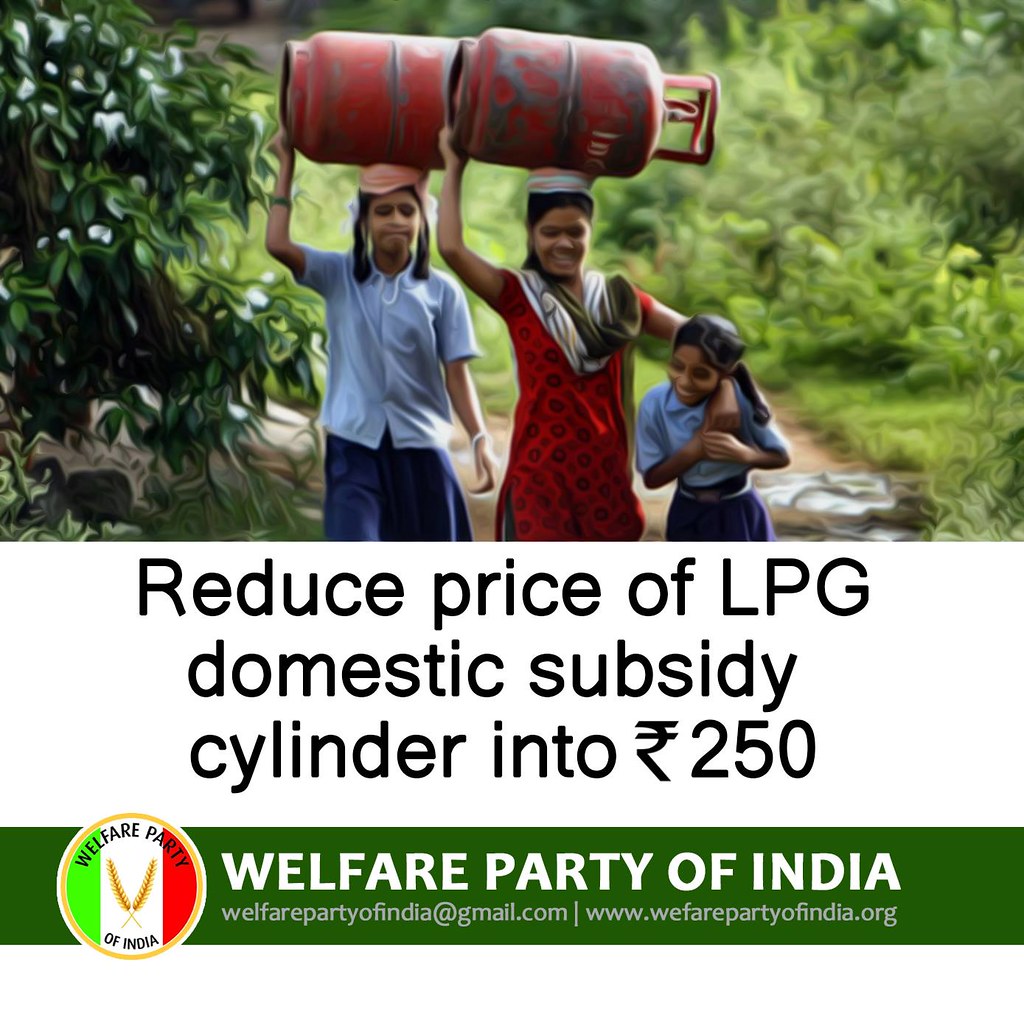
LPG cylinder prices have seen a significant hike as of October 1, impacting commercial users across the country. This change comes amid rising fuel costs and unchanged domestic rates.
Impact of LPG Price Hike
The recent hike in commercial LPG cylinder prices has raised concerns among consumers and businesses alike. From October 1, the prices of commercial LPG cylinders have seen a significant increase, impacting various sectors that rely heavily on these energy sources.
This hike in LPG cylinder prices is particularly troubling as it comes at a time when many businesses are still recovering from the economic fallout of the pandemic. The increase has forced many to reconsider their operational costs, leading to potential price adjustments for goods and services.
Some of the key impacts of the LPG price hike include:
- Increased Operational Costs: Restaurants and catering services are likely to pass on the additional costs to consumers.
- Inflationary Pressure: The rise in LPG prices may contribute to overall inflation, affecting household budgets.
- Alternative Energy Sources: Businesses may explore alternatives, which could shift the energy landscape.
As consumers brace for the consequences of the LPG cylinder prices hike, experts urge the government to monitor the situation closely to mitigate adverse effects on the economy.
Reasons Behind the Price Increase
The recent hike in commercial LPG cylinder prices has raised concerns among consumers and businesses alike. Several factors contribute to this significant increase, which comes as a surprise to many. Understanding these reasons is essential for grasping the situation better.
- Global Crude Oil Prices: One of the primary reasons behind the hike in LPG cylinder prices is the fluctuation in global crude oil prices. Recent increases in crude rates have had a direct impact on the cost of LPG.
- Supply Chain Disruptions: Ongoing supply chain issues, exacerbated by various geopolitical tensions, have led to increased transportation and operational costs for LPG suppliers.
- Seasonal Demand: With the onset of winter, there is typically a surge in demand for heating fuels, including LPG, which can also drive prices higher.
- Currency Fluctuations: The depreciation of the national currency against the US dollar has made imports more expensive, further contributing to the price hike.
As consumers brace for the effects of these rising costs, understanding the underlying reasons for the increase in LPG cylinder prices can help manage expectations and budget accordingly.
Comparison of Commercial and Domestic Rates
The recent price adjustments have led to significant disparities between commercial and domestic LPG cylinder prices. As of October 1, commercial LPG cylinders have seen a notable increase, while the rates for domestic cylinders have remained stable, leaving many consumers to evaluate their options.
Here’s a breakdown of the current pricing:
- Commercial LPG Cylinder: The price has surged by Rs. 250, bringing it to Rs. 2,200 per cylinder.
- Domestic LPG Cylinder: The price continues to hold at Rs. 1,000 per cylinder, unchanged since the last revision.
This stark contrast in pricing is especially pertinent for businesses that rely on LPG for operations. The increase in commercial cylinder prices has raised concerns among restaurant owners and small businesses, who may need to adjust their budgets accordingly. On the other hand, households can breathe a sigh of relief as the domestic LPG cylinder prices remain stable, providing some respite amid other rising costs. Monitoring these changes in LPG cylinder prices will be essential for both consumers and businesses moving forward.
Consumer Reactions to LPG Changes
As the news of the latest LPG cylinder prices spread, consumers expressed a mix of frustration and concern. Many households are feeling the pinch as costs continue to rise, especially with the recent hike announced for commercial LPG cylinders starting October 1.
One local resident, Maria Gomez, stated, “It’s frustrating to see prices go up again. We are already struggling with our monthly budgets, and this increase will only add to our challenges.” Some consumers are questioning the stability of domestic LPG cylinder prices, which have remained unchanged despite the commercial rate hike.
In social media discussions, many users have voiced their opinions, highlighting the impact of rising LPG cylinder prices on daily life. A common sentiment among them is the need for greater transparency in pricing mechanisms.
As the winter months approach, the concern over heating costs and the affordability of essential services becomes more pronounced. Consumers are now calling for government intervention to mitigate the impact of such increases on ordinary families.
Overall, the reactions reflect a broader anxiety about the ongoing cost-of-living crisis affecting many households nationally.
Future Outlook on LPG Pricing
As the LPG cylinder prices have recently experienced a significant hike, many consumers are left wondering what the future holds for energy costs. Analysts suggest that while the current increase has created a stir, the market may stabilize in the coming months.
Several factors could influence the direction of LPG pricing:
- Global Oil Prices: The fluctuation in crude oil prices will play a critical role in determining future LPG cylinder prices. A rise in global oil prices could lead to further increases.
- Supply Chain Dynamics: Ongoing supply chain issues, particularly those stemming from geopolitical tensions, may impact the availability of LPG, potentially driving prices up.
- Government Policies: Changes in government regulations or subsidies related to LPG could also affect pricing. Consumers will need to stay informed about any policy shifts.
In summary, while the current hike in LPG cylinder prices has raised concerns among consumers, the situation remains fluid. Keeping an eye on global trends and domestic policies will be essential for anticipating future pricing changes.
By WELFARE PARTY PHOTOS via Openverse
Where this came from
Related stories
Data Center Debt Concessions: The Worst Impact on AI Growth · Mandatory IFRS Climate Reporting: Worst Decision for UK Firms · Condé Nast CEO news: Is This the Worst Move for Mattel?