Most Polluted Cities: What Are the Worst in India Today?
 Justin
most polluted cities in India are facing alarming air quality index (AQI) levels. Recent reports highlight Bulandshahr’s staggering AQI of 1,017 and Aligarh’s near 800.
Current AQI Levels in India
As India grapples with escalating air quality issues, the current AQI levels reveal alarming conditions in several cities. Recent reports indicate that Bulandshahr has reached a staggering AQI of 1,017, making it one of the most polluted cities in the country. Close behind is Aligarh, with an AQI nearing 800, highlighting the dire situation across the region.
Other cities that rank among the most polluted cities today include:
- Ghaziabad – Known for its industrial emissions, the AQI often exceeds 750.
- Delhi – The capital city frequently suffers from severe air quality, especially in winter months.
- Noida – With heavy traffic and construction, the AQI levels are alarmingly high.
- Faridabad – Industrial pollution contributes to a consistently poor air quality index.
- Kanpur – This city often records dangerously high AQI levels as well.
The situation underscores an urgent need for comprehensive measures to combat pollution and protect public health.
Impact of Poor Air Quality
The impact of poor air quality is felt across various aspects of life, especially in the most polluted cities. High levels of air pollution can lead to severe health issues, including respiratory diseases, cardiovascular problems, and reduced life expectancy. According to health experts, prolonged exposure to polluted air can exacerbate existing health conditions, making it crucial for residents in these areas to take precautions.
Furthermore, poor air quality affects children and the elderly the most. Children exposed to polluted environments may experience developmental issues, while older adults may face increased risks of heart attacks and strokes. The economic implications are also significant, as healthcare costs rise and workforce productivity declines due to illness.
In cities like Bulandshahr and Aligarh, where AQI levels have reached alarming heights, the government and local authorities are under pressure to implement effective measures to combat pollution. These measures may include promoting cleaner transportation options, regulating industrial emissions, and increasing green spaces.
As the situation continues to evolve, awareness about the dangers of air pollution in India’s most polluted cities is essential for driving change.
Health Risks Associated with High AQI
The alarming rise in air pollution levels across India has significant health implications for its residents. Cities with the highest Air Quality Index (AQI) are often classified as the most polluted cities, exposing inhabitants to harmful pollutants that can lead to various health issues.
Prolonged exposure to high AQI levels can result in:
- Respiratory problems: Individuals may experience aggravated asthma, chronic bronchitis, and other lung diseases.
- Cardiovascular issues: Polluted air can increase the risk of heart attacks and stroke due to elevated levels of fine particulate matter.
- Reduced immune function: Continuous inhalation of toxic particles may weaken the immune system, making individuals more susceptible to infections.
- Mental health effects: Emerging studies suggest a connection between high pollution levels and increased rates of anxiety and depression.
Vulnerable populations, such as children and the elderly, are particularly at risk. It is crucial for residents in the most polluted cities to take precautions, especially during peak pollution days, to safeguard their health.
Government Measures to Combat Pollution
The rising concern over the air quality in India has prompted the government to implement various measures aimed at combating pollution in the most polluted cities. Authorities are focusing on both short-term and long-term strategies to improve air quality and safeguard public health.
Some of the key initiatives include:
- Enhancing Public Transport: Investment in electric buses and metro systems aims to reduce vehicular emissions, a major contributor to urban air pollution.
- Strict Regulations: The government has introduced stricter emission standards for industries and vehicles, alongside regular monitoring to ensure compliance.
- Promotion of Clean Energy: Initiatives to promote renewable energy sources, such as solar and wind power, are essential in reducing dependence on fossil fuels.
- Awareness Campaigns: Educational programs aimed at informing citizens about the health risks associated with poor air quality encourage community involvement in pollution reduction efforts.
Despite these measures, the challenge remains formidable, especially in the most polluted cities where immediate action is crucial to protect public health and the environment.
Public Awareness and Action Steps
As the issue of air pollution escalates, public awareness is crucial in tackling the problem of the most polluted cities in India. Citizens must be informed about the impact of poor air quality on health and the environment. Here are some effective action steps individuals can take:
- Stay Informed: Regularly check air quality index (AQI) levels in your area and understand the implications of high pollution readings.
- Minimize Outdoor Activities: On days when the AQI is high, limit outdoor activities, especially for vulnerable groups like children and the elderly.
- Advocate for Change: Engage with local authorities and support initiatives aimed at reducing pollution. Join community groups that focus on environmental protection.
- Promote Eco-Friendly Practices: Encourage the use of public transportation, carpooling, and cycling, as well as adopting cleaner energy solutions.
- Educate Others: Share information about the health risks associated with high AQI levels and promote awareness campaigns in your community.
Taking collective action can significantly improve air quality in the most polluted cities and contribute to a healthier future.
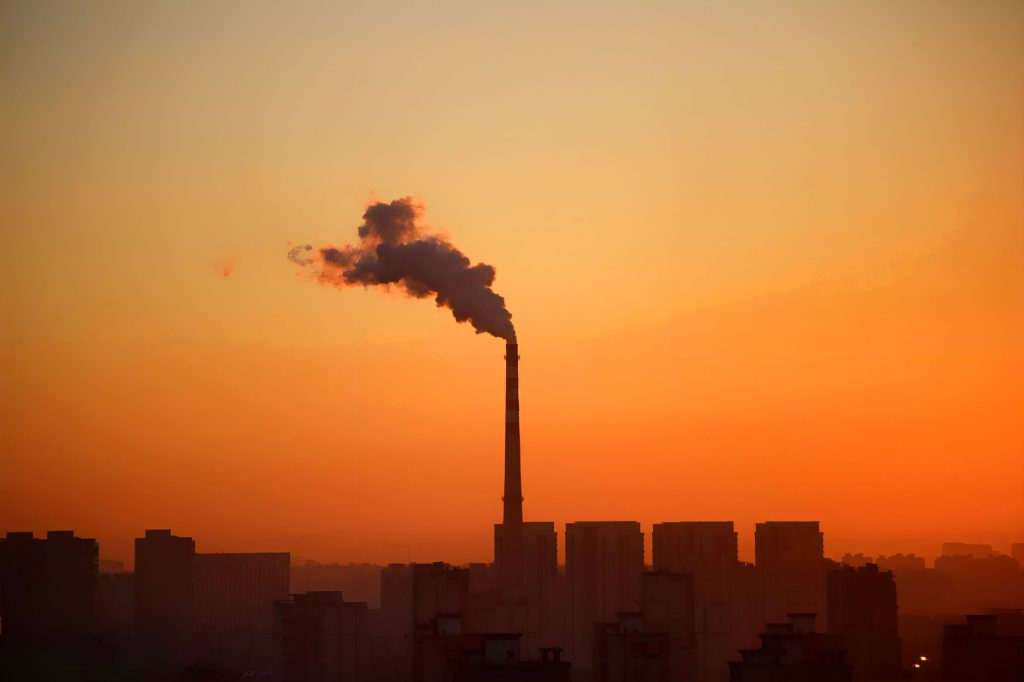
Photo by Andy Chi on Pexels
References
NDTV Profit · Most polluted cities
Mumbai local train incident: Woman loses arm after attack · Nvidia CEO search: The real impact of Jensen Huang’s scandal · New Zealand ODI squad: Best Call-Up for Brett Randell