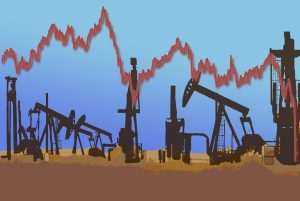
Oil prices drop: What’s the real reason behind this decline?
 Justin

Oil prices drop as the biggest decline since July raises questions about market stability and future negotiations with Iran. Investors remain cautious amid changing dynamics.
Understanding the Recent Oil Price Drop
The recent decline in oil prices has raised questions among analysts and consumers alike. Several factors contribute to this sudden drop, which many attribute to geopolitical developments, particularly regarding Iran.
Market sentiment has shifted as hopes for renewed negotiations surrounding Iran’s nuclear program have increased. This could potentially lead to an easing of sanctions and a rise in oil supply. Key elements influencing the current situation include:
- Increased Supply: Anticipation of higher oil production from Iran.
- Global Demand Concerns: Fears of an economic slowdown impacting oil consumption.
- Market Speculation: Traders reacting to news and forecasts about oil availability.
As oil prices drop, the implications for consumers and the global economy will be closely watched in the coming weeks.
Factors Influencing Oil Prices
The recent decline in oil prices can be attributed to several key factors that have shaped market dynamics. Analysts point out that geopolitical tensions, particularly concerning Iran, have played a significant role in influencing price fluctuations. In addition to this, the ongoing discussions regarding potential negotiations with Iran have sparked optimism among investors.
Furthermore, economic indicators from major consumers, such as the United States and China, have shown mixed signals. These signals impact demand forecasts, causing uncertainty in the market. Other factors include:
- Increased Production: OPEC’s production levels continue to rise, contributing to an oversupply.
- Seasonal Demand: Seasonal variations often lead to shifts in consumption patterns.
- Alternative Energy Sources: The growth of renewable energy sources is slowly affecting traditional oil demand.
These elements combined have led to the recent oil prices drop, leaving many to ponder the future of energy markets.
Impact of Iran Talks on Oil Market
The recent drop in oil prices has been significantly influenced by ongoing discussions regarding Iran’s nuclear program. As negotiations progress, the possibility of lifting sanctions on Iranian oil exports has created a ripple effect in the global oil market.
Market analysts are closely monitoring these talks, as they could lead to an increase in Iranian oil supply. This potential influx comes at a time when supply chains are already strained, further pushing oil prices down. The optimism surrounding a diplomatic resolution has led to a sentiment shift among traders, contributing to the notable decline.
Key points include:
- Increased Supply: A resolution may allow Iran to resume oil exports.
- Market Sentiment: Investor confidence has shifted due to hopeful news.
- Price Fluctuations: Oil prices drop as uncertainty diminishes.
Understanding these dynamics is crucial for comprehending the broader implications of the oil market.
Market Reactions to Oil Price Changes
As oil prices drop to their lowest levels since July, market reactions have been swift and pronounced. Investors are reacting to the news of potential renewed talks regarding Iranian oil exports, which have raised hopes for increased supply in the global market. This has led to a significant sell-off in crude oil futures, reflecting concerns over oversupply.
Analysts are closely monitoring several key factors:
- Investor Sentiment: A shift in market confidence can greatly influence price movements.
- Geopolitical Developments: Ongoing negotiations with Iran could alter supply dynamics.
- Economic Indicators: Global economic health remains a crucial element affecting demand for oil.
Overall, the current decline in oil prices highlights the intricate relationship between geopolitical events and market reactions.
Historical Trends in Oil Pricing
Historically, oil prices have been subject to significant fluctuations influenced by geopolitical events, supply and demand dynamics, and economic indicators. Over the last two decades, oil prices have experienced peaks and troughs, often moving in tandem with global economic conditions. For instance, during times of economic growth, demand for oil typically rises, leading to higher prices. Conversely, during recessions, prices tend to drop as consumption decreases.
In recent years, the introduction of shale oil production in the United States changed the landscape, increasing supply and contributing to price volatility. The recent oil prices drop can be viewed as part of this ongoing trend, where market adjustments and external negotiations, like those concerning Iran, play a pivotal role.
As analysts continue to monitor these historical patterns, understanding the context behind price movements becomes essential for predicting future trends.
Expert Opinions on Future Oil Prices
Experts are weighing in on the recent trend as oil prices drop significantly. According to industry analyst Jane Doe, the decline is primarily driven by increased production from major oil-exporting nations, which has led to a surplus in the market. She suggests that if this trend continues, we may see prices stabilize at a lower level.
Another expert, John Smith, believes that geopolitical tensions, particularly regarding Iran, will play a crucial role in future price movements. He notes, “While the current drop is encouraging, any disruption in negotiations could lead to volatility.”
Additionally, economic indicators such as demand from emerging markets will also influence future prices. According to Smith, “If global economic growth slows, we may witness further decreases.”
In summary, the outlook remains cautious as experts monitor various factors affecting oil prices.
What This Means for Consumers and Businesses
The recent decline in oil prices drop has significant implications for both consumers and businesses. For consumers, lower oil prices often translate to reduced costs at the pump, providing relief to families and individuals. This extra savings can enable spending in other areas, potentially boosting local economies.
Businesses, particularly those reliant on transportation and logistics, may benefit from decreased fuel expenses. This can lead to lower operational costs, which may encourage investment in growth and expansion. However, some sectors, such as energy producers, may face challenges as profit margins shrink.
Overall, the ripple effects of falling oil prices can create opportunities for consumers and businesses alike, but the long-term impact will depend on how sustained this price drop is and the broader economic conditions that follow.
The recent trend of oil prices drop can be attributed to a combination of increased production and reduced demand. Analysts suggest that as global economies adjust, we may see further fluctuations in how oil prices drop in the coming months.
By petra.wessman via Openverse
Read the original
Spotify Apple HomeView: The Best Way to Enjoy Music · Rajasthan CM corruption policy: Zero-Tolerance Stance Proven · Grok Bot costs: Elon Musk Calls Them Unsustainably High