Russian oil imports: The Right Approach for India’s Energy Needs
 Justin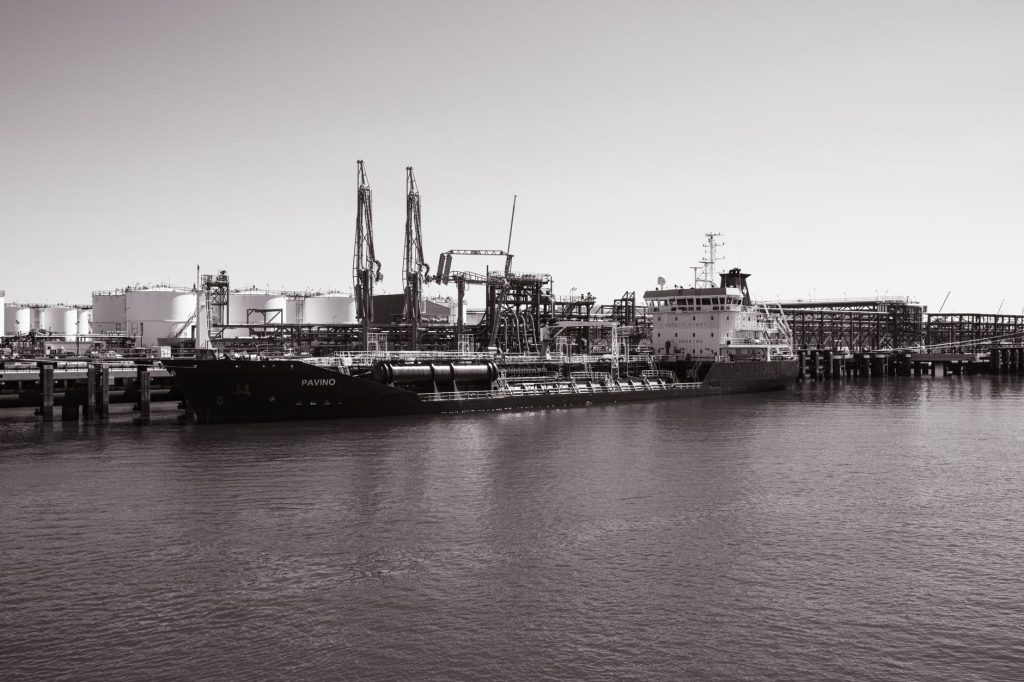
Russian oil imports are set to remain near current levels as India adapts its energy strategy following the Trump waiver. This decision reflects India’s ongoing commitment to balancing its energy needs.
Overview of India’s Oil Import Strategy
India has strategically positioned itself as a significant player in the global oil market, particularly in the context of Russian oil imports. As the country seeks to meet its growing energy demands, it has adopted a pragmatic approach to diversify its oil sources while maintaining a focus on affordability and sustainability.
The decision to keep Russian oil imports near current levels reflects India’s intent to balance geopolitical considerations with economic necessities. This strategy is underscored by several key factors:
- Energy Security: With a rising population and economic expansion, India’s energy security hinges on reliable and diverse oil supply sources.
- Cost Efficiency: Russian oil has often been available at competitive prices, allowing India to manage its import bill effectively.
- Geopolitical Dynamics: Engaging with Russia strengthens bilateral ties and allows India to navigate complexities in international relations.
- Diversification Strategy: While Russian oil imports play a crucial role, India is also looking to diversify its energy portfolio through renewable sources.
In light of these considerations, India’s oil import strategy aims to ensure a stable energy supply while fostering economic resilience and sustainability in a rapidly changing global landscape.
Impact of Trump Waiver on Oil Imports
The recent decision regarding the Trump waiver has significant implications for India’s approach to Russian oil imports. The waiver allows for continued trade with Russia amidst ongoing geopolitical tensions, enabling India to maintain its energy security without major disruptions.
As a major consumer of oil, India faces the challenge of balancing energy needs with international relations. The Trump waiver provides a temporary relief, allowing India to keep purchasing Russian oil imports at nearly current levels. This decision underscores India’s commitment to diversifying its energy sources while navigating complex global dynamics.
Key factors influencing India’s decision include:
- Energy Security: Ensuring a stable supply of oil is crucial for India’s growing economy.
- Price Stability: Russian oil often remains competitively priced, helping to mitigate inflationary pressures.
- Geopolitical Considerations: Maintaining ties with Russia can be strategic in balancing relationships with Western nations.
India’s approach to Russian oil imports reflects a pragmatic strategy aimed at sustaining economic growth while being mindful of the geopolitical landscape. This balancing act will require ongoing assessments as global energy markets evolve and new challenges arise.
Current Levels of Russian Oil Imports
India’s current levels of Russian oil imports have become a focal point in the nation’s energy strategy, particularly following the recent geopolitical developments. As the global oil market fluctuates, India has maintained a steady relationship with Russia in terms of crude oil procurement.
Despite international pressures, India plans to keep its imports of Russian oil near current levels, recognizing the importance of diversifying its energy sources while ensuring energy security. The country aims to balance its energy needs with the geopolitical landscape, as highlighted by the following key points:
- Diversification of Supply: By purchasing oil from Russia, India mitigates risks associated with dependence on a single supplier.
- Stable Pricing: Russian oil has often been available at competitive prices, which is crucial for India’s growing economy.
- Geopolitical Considerations: Maintaining a relationship with Russia helps India navigate complex international relations, especially in light of Western sanctions.
As India continues to rely on Russian oil imports, the government remains committed to ensuring that this strategy aligns with its long-term energy goals while addressing global market changes. The focus remains on achieving energy independence without compromising on diplomatic ties.
India’s Energy Needs and Challenges
India’s energy landscape is shaped by a multitude of challenges that necessitate a strategic approach to oil imports. As the third-largest consumer of oil globally, the country relies heavily on external sources to meet its growing energy demands. The situation is further complicated by geopolitical tensions and fluctuating global oil prices, which can have significant repercussions on India’s economy.
One of the primary challenges facing India is its increasing dependency on oil imports, which stood at approximately 85% in recent years. This reliance exposes the nation to vulnerabilities, particularly in the face of global supply disruptions and sanctions imposed on key oil-producing nations. In this context, Russian oil imports have emerged as a critical component of India’s strategy to diversify its sources and ensure energy security.
Additionally, the ongoing shift towards renewable energy sources presents both opportunities and challenges. While India is making strides in harnessing solar and wind energy, the transition will take time. Thus, it is imperative for India to maintain a balanced approach that addresses immediate energy needs while paving the way for sustainable alternatives.
In navigating these complexities, India’s oil import strategy must remain flexible and responsive to changing global dynamics, ensuring that Russian oil imports continue to play a vital role in meeting the country’s energy requirements.
Global Market Trends for Oil
The global oil market has been experiencing significant fluctuations, influenced by geopolitical tensions, supply chain disruptions, and changing demand patterns. In the context of Russian oil imports, several trends have emerged that are shaping the landscape for countries like India.
One of the most notable trends is the shift in purchasing strategies among major oil-importing nations. Countries are increasingly seeking to diversify their energy sources to mitigate the risks associated with reliance on a single supplier. This is particularly relevant for India, which is navigating its energy security in the face of fluctuating global prices.
Additionally, the rise of renewable energy sources has led to a gradual transition in some markets, though oil remains a critical component of energy consumption globally. The ongoing conflicts and sanctions related to Russian oil imports have created opportunities for nations willing to engage with Russian suppliers, often at discounted rates. This has allowed India to maintain a stable supply while managing costs effectively.
- Increased competition among oil suppliers.
- Heightened focus on energy independence.
- Volatility in global oil prices due to external factors.
As India continues to balance its energy needs with geopolitical considerations, the approach to Russian oil imports will remain pivotal in shaping its energy strategy.
Future Projections for Indian Oil Imports
As India navigates its energy landscape, future projections for oil imports suggest a steady commitment to maintaining current levels of Russian oil imports. Analysts predict that this approach will help India balance its energy security while addressing geopolitical challenges.
In the coming years, several key factors will influence India’s oil import strategy:
- Geopolitical Stability: The relationship between India and Russia will play a crucial role. Continued diplomatic engagement is essential to ensure stable oil supplies.
- Global Oil Prices: Fluctuations in international oil prices will impact the feasibility of importing Russian oil. A favorable price scenario could encourage increased imports.
- Domestic Production: Enhancements in India’s domestic oil production capabilities may reduce dependency on foreign sources, but the immediate need for imports will remain.
- Energy Transition: As India shifts towards renewable energy sources, the reliance on oil imports, including Russian oil, will evolve. However, this transition is expected to be gradual.
Overall, while India’s energy requirements are set to grow, the strategic decision to keep Russian oil imports near current levels reflects a calculated approach to ensure both energy security and economic stability amidst a dynamically changing global market.
Conclusion on India’s Energy Policy
In conclusion, India’s approach to managing its energy needs amidst the complexities of global oil markets must be strategic and forward-thinking. The decision to maintain Russian oil imports at current levels reflects a pragmatic response to shifting geopolitical dynamics and economic considerations. As India continues to diversify its energy sources, the role of Russian oil imports cannot be overlooked, particularly given the country’s growing demand for energy to fuel its development.
The ongoing volatility in global oil prices, combined with the potential for supply disruptions, necessitates a balanced strategy that prioritizes energy security. By leveraging Russian oil imports, India can mitigate some of the risks associated with over-dependence on other oil-producing nations. However, this dependency also highlights the importance of fostering relationships with a broader range of suppliers to ensure long-term stability.
Furthermore, India must invest in renewable energy and explore alternative technologies to reduce reliance on fossil fuels. This dual approach of maintaining existing oil import levels while simultaneously advancing sustainable energy initiatives can position India as a leader in the transition towards a more resilient energy landscape.
Ultimately, the right approach for India’s energy needs will involve a careful consideration of both immediate requirements and future aspirations, ensuring that the country can navigate the challenges ahead while capitalizing on opportunities in the evolving global energy market.
Photo by Oleksiy Yeshtokyn,🌻🇺🇦🌻 on Pexels
Read the original
Related stories
California student data breach: Worst theft of personal info · Starlink role in Ukraine: Proven impact on frontline success · NDA allies future: The Real Reasons Behind Their Loyalty