Steel production capacity: Best proven strategies for growth
 Justin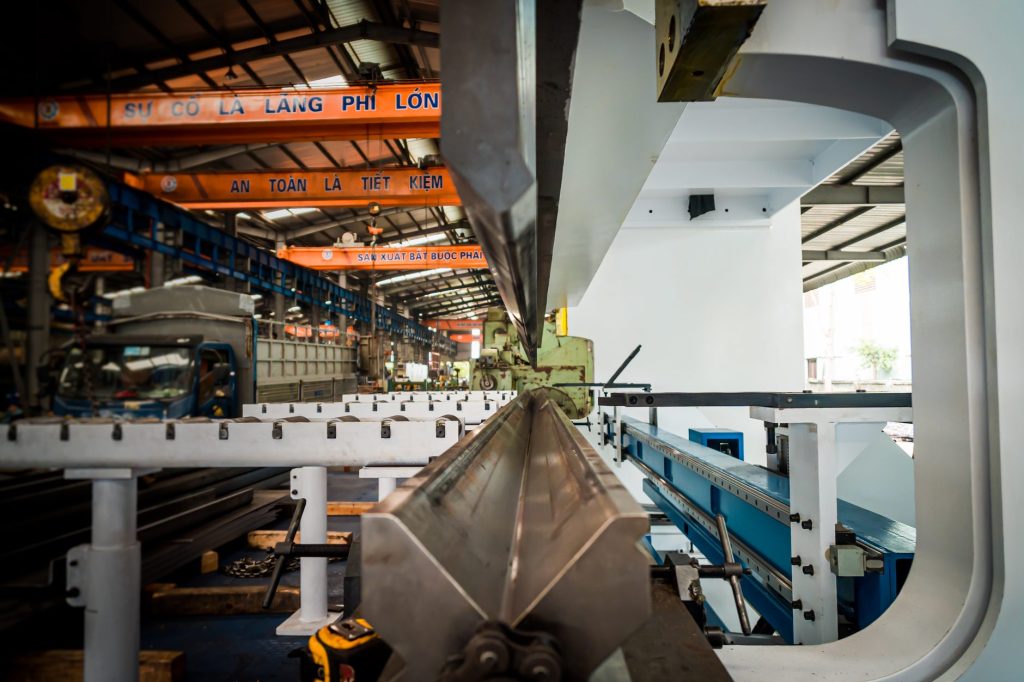
Steel production capacity is a key focus for India as it aims to enhance its output to 604MMT by 2047. This ambitious target reflects the country’s commitment to industrial growth and development.
India’s Steel Production Goals
India is setting ambitious targets to enhance its steel production capacity, aiming to reach 604 million metric tons (MMT) by the year 2047. This goal is part of a broader vision to position India as a global leader in steel manufacturing, capitalizing on the growing demand for infrastructure development and industrialization.
The government has outlined several strategies to achieve this growth, including:
- Investment in Technology: Upgrading existing plants and adopting advanced manufacturing technologies to improve efficiency.
- Infrastructure Development: Enhancing the logistics and supply chain to streamline the production process.
- Policy Support: Implementing favorable policies to attract foreign investment and promote domestic production.
- Focus on Sustainability: Emphasizing environmentally friendly practices to reduce carbon emissions in steel manufacturing.
By prioritizing these strategies, India aims not only to increase its steel production capacity but also to ensure sustainable growth in the sector for decades to come.
Impact on Global Market
The anticipated increase in steel production capacity in India is set to have a significant impact on the global market. As the country aims to boost its production capacity to 604 million metric tons (MMT) by 2047, several key factors will influence international dynamics.
Firstly, a rise in India’s steel output is likely to increase competition among major steel-producing nations. Countries such as China, Japan, and the United States may need to adapt their strategies to maintain market share. Additionally, India’s enhanced capacity could lead to lower global steel prices, benefiting industries reliant on steel.
Moreover, this growth may attract foreign investment, fostering technological advancements and innovation within the sector. As companies look to collaborate with Indian manufacturers, the transfer of knowledge could enhance overall production efficiency.
In conclusion, India’s ambitious plans for expanding its steel production capacity could reshape the global steel landscape, presenting both opportunities and challenges for various stakeholders in the industry.
Technological Innovations in Steel
The steel industry is experiencing a transformative phase driven by technological innovations aimed at enhancing steel production capacity. With India’s ambitious goal to reach a production capacity of 604 million metric tons (MMT) by 2047, the integration of advanced technologies is crucial.
Several key innovations are shaping the future of steel manufacturing:
- Automation and AI: The use of artificial intelligence and robotics is streamlining production processes, reducing waste, and improving efficiency.
- Electric Arc Furnaces (EAF): EAF technology is becoming increasingly popular due to its lower carbon footprint and ability to recycle scrap steel, contributing to sustainable steel production.
- Data Analytics: Enhanced data analytics tools are enabling real-time monitoring and optimization of production, leading to better decision-making and increased output.
- Green Technologies: Innovations in hydrogen-based steelmaking are paving the way for cleaner production methods that align with global sustainability goals.
These advancements are not just essential for meeting national targets but also for ensuring competitiveness in the global steel market.
Challenges Ahead for Steel Industry
The steel industry faces numerous challenges as it strives to enhance its steel production capacity and meet growing global demands. Key obstacles include:
- Environmental Regulations: Stricter regulations on emissions are pushing industries to adopt cleaner technologies, often requiring significant investment.
- Raw Material Costs: Fluctuations in the prices of essential raw materials, such as iron ore and coal, can severely impact production costs and profitability.
- Supply Chain Disruptions: Global supply chain issues, exacerbated by geopolitical tensions and the pandemic, continue to affect timely access to necessary resources.
- Technological Integration: Integrating advanced technologies into existing production processes requires substantial capital and expertise, posing a challenge for many manufacturers.
Despite these hurdles, industry leaders are optimistic about innovative solutions that can address these challenges. By focusing on sustainable practices and efficient operations, companies aim to increase their steel production capacity while minimizing environmental impact.
Future of Steel Production in India
The future of steel production in India looks promising as the country aims to significantly enhance its steel production capacity. With a target of reaching 604 million metric tons (MMT) by 2047, India is positioning itself as a key player in the global steel market. This ambitious goal is supported by various initiatives aimed at improving infrastructure and encouraging investments in the steel sector.
To achieve this growth, industry leaders are focusing on several strategies:
- Enhancing Efficiency: Streamlining production processes to reduce costs and increase output.
- Investing in Green Technologies: Adopting sustainable practices to minimize environmental impact.
- Strengthening Supply Chains: Building resilient supply chains to ensure consistent raw material availability.
- Skill Development: Training the workforce to meet the demands of modern steel production.
By implementing these strategies, India can not only meet its domestic needs but also contribute significantly to the global steel production capacity.
Photo by Hoang NC on Pexels
Read the original
Houston SUV crash: Shocking video reveals lead-up to incident · Manav Suthar: The Right Path to Rajasthan Captaincy · Cristiano punished: What are the real consequences?