Is Dry Docking Vessel the Best Solution for SAMUDRA PRABHA?
 Justin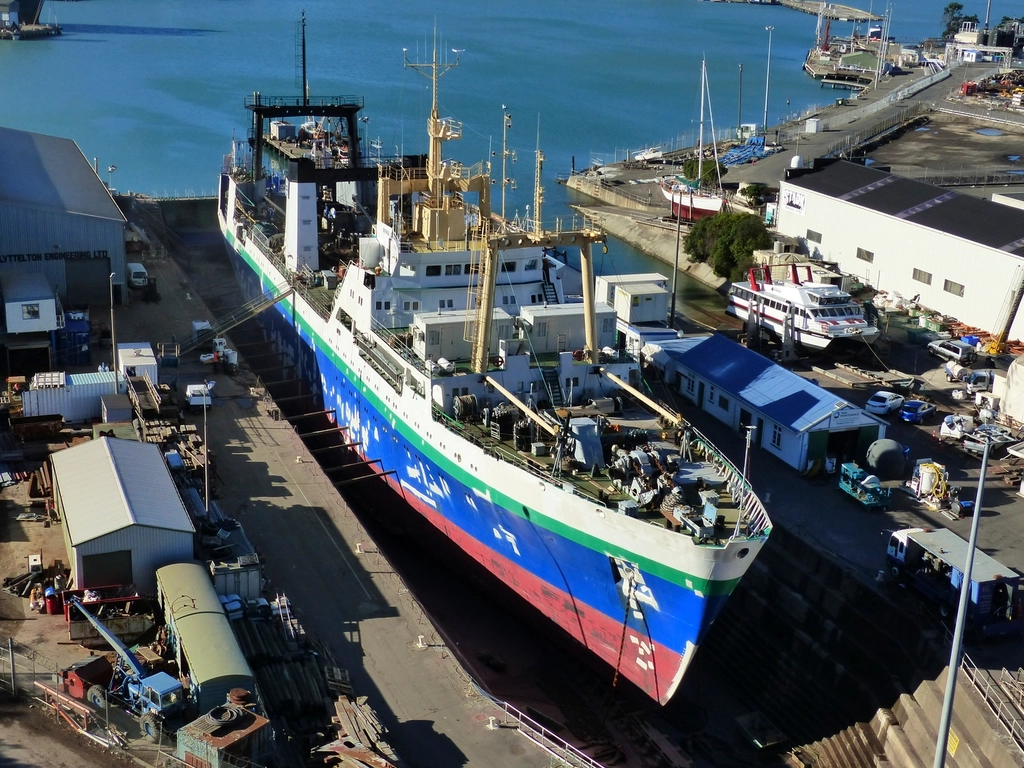
dry docking vessel is essential for the maintenance of maritime assets like SAMUDRA PRABHA. Seamec has announced this significant procedure to ensure the vessel’s operational efficiency.
What is Dry Docking?
Dry docking is a crucial process in maritime maintenance that involves bringing a ship into a specialized facility where it can be serviced and repaired above water. This procedure allows for a thorough inspection of the vessel’s hull, propellers, and other submerged components that are usually inaccessible while the ship is afloat.
During dry docking, the vessel is lifted out of the water using a dry dock or a floating dock, providing an opportunity for necessary repairs and maintenance. This process can include:
- Hull cleaning and painting
- Propeller and rudder inspections
- Repairing or replacing underwater equipment
- Conducting safety checks and upgrades
For the SAMUDRA PRABHA, undergoing dry docking may prove to be the best solution to enhance its operational efficiency and longevity.
Importance of Dry Docking for Vessels
Dry docking is a critical process for maintaining the integrity and functionality of vessels like the SAMUDRA PRABHA. It allows for comprehensive inspections and repairs that are often not possible while the vessel is in the water. The importance of dry docking for vessels includes several key aspects:
- Maintenance: Regular dry docking ensures that vessels are free from corrosion and structural damage, extending their lifespan.
- Safety: By addressing potential issues proactively, dry docking enhances the safety of the vessel and its crew.
- Regulatory Compliance: Dry docking helps vessels meet necessary maritime regulations and standards.
- Performance Improvement: It provides an opportunity to upgrade systems and improve overall performance.
In summary, the process of dry docking vessel not only ensures operational efficiency but also safeguards investment in maritime assets.
Seamec’s Latest Announcement
Seamec has made a significant announcement regarding the dry docking vessel SAMUDRA PRABHA. This move is expected to enhance the operational efficiency and longevity of the vessel. The company has emphasized the necessity of dry docking as a preventive maintenance measure to address potential issues before they escalate.
In a statement, Seamec highlighted that:
- Dry docking allows for thorough inspections and repairs.
- It ensures compliance with regulatory standards.
- Regular maintenance can significantly reduce costs in the long run.
As the marine industry faces increasing pressures to maintain safety and efficiency, the decision to dry dock SAMUDRA PRABHA reflects Seamec’s commitment to providing reliable maritime services. Stakeholders are optimistic about the benefits this initiative will bring to the vessel’s future operations.
Impact on Shipping Operations
The decision to proceed with the dry docking vessel SAMUDRA PRABHA has significant implications for shipping operations in the region. Dry docking is essential for maintaining the safety and efficiency of maritime fleets, and this particular vessel’s downtime may affect various stakeholders.
During the dry docking process, the following impacts are expected:
- Temporary Service Disruption: The vessel will be unavailable for its regular routes, which may lead to delays in cargo delivery.
- Increased Maintenance Costs: While necessary, the dry docking procedure can incur substantial expenses that may affect the overall budget.
- Opportunity for Upgrades: This downtime allows for the implementation of technological enhancements that can improve operational efficiency in the long run.
Ultimately, the dry docking of SAMUDRA PRABHA is a strategic move aimed at ensuring long-term operational integrity.
Future of SAMUDRA PRABHA
The future of the SAMUDRA PRABHA looks promising following the recent announcement by Seamec regarding its dry docking vessel schedule. This essential procedure is expected to enhance the vessel’s operational efficiency and extend its lifespan. Industry experts suggest that the dry docking will not only address maintenance issues but also upgrade the vessel’s technology to meet modern standards.
In the long run, the dry docking vessel approach could position SAMUDRA PRABHA as a more competitive player in the shipping industry. Key benefits anticipated from this initiative include:
- Improved safety: Ensuring compliance with safety regulations.
- Enhanced performance: Upgrading systems for better fuel efficiency.
- Cost savings: Reducing long-term maintenance costs.
As the dry docking process progresses, stakeholders remain optimistic about the vessel’s renewed capabilities and future prospects.
Conclusion on Dry Docking Process
In conclusion, the dry docking process for the vessel SAMUDRA PRABHA presents a strategic opportunity for enhancing its operational efficiency and longevity. As highlighted throughout this discussion, dry docking is not merely a maintenance task; it is an essential procedure that ensures vessels remain compliant with safety and environmental standards.
The benefits of dry docking include:
- Thorough inspections that identify potential issues before they escalate.
- Repairs and upgrades that enhance performance and fuel efficiency.
- Routine maintenance that prolongs the vessel’s lifespan.
Ultimately, the decision to proceed with dry docking for SAMUDRA PRABHA appears to be a prudent one, aligning with both regulatory requirements and the company’s long-term operational goals.
The decision to utilize a dry docking vessel for SAMUDRA PRABHA raises important considerations regarding maintenance and repair efficiency. As experts evaluate the advantages, a dry docking vessel may prove to be the best solution for ensuring the vessel’s longevity.
Openverse
Read the original
Related reading
Marico Q2 growth: Proven demand trends and volume surge · Uttarakhand irrigation law: Is it the right change for farmers? · Is the Bladder Cancer Test Proven to Track Treatment Effectively?