Korean chip stocks: Are they the worst investment now?
 Justin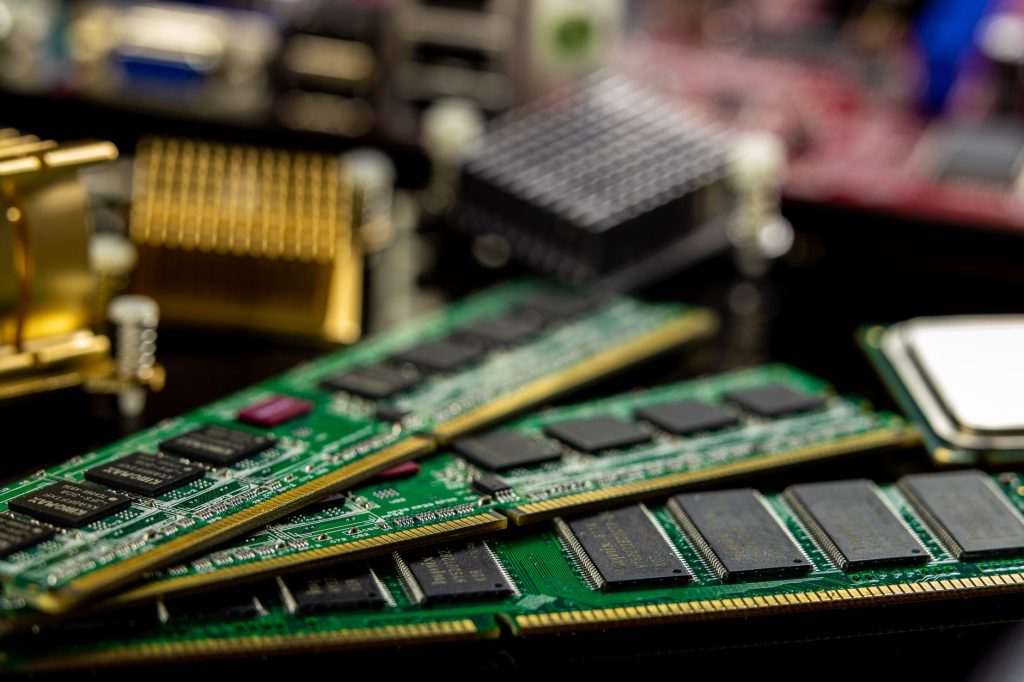
Korean chip stocks are experiencing a downturn, driven by worries about competition from China and comments from Broadcom. Investors are closely monitoring these developments as they could significantly impact the market.
Understanding the Impact of Chinese Competition
The recent downturn in Korean chip stocks has raised significant concerns among investors, particularly due to the intensifying competition from Chinese semiconductor companies. As these rivals ramp up their production capabilities, fears of market share erosion have become increasingly prevalent.
Several factors contribute to the growing apprehension surrounding Korean chip stocks:
- Technological Advancements: Chinese firms are rapidly advancing in technology, narrowing the gap with their Korean counterparts.
- Government Support: The Chinese government is heavily investing in its semiconductor industry, providing subsidies and resources to bolster growth.
- Global Demand Shifts: With the increasing demand for semiconductors in various sectors, including automotive and consumer electronics, competition is fierce.
Furthermore, comments from industry leaders, including those from Broadcom, have amplified concerns regarding the sustainability of Korean chip stocks in the face of such competition. Investors are now questioning whether these stocks remain a viable investment option or if they are heading towards further declines.
Broadcom’s Influence on the Market
The recent downturn in Korean chip stocks can be largely attributed to comments made by Broadcom, a leading global semiconductor manufacturer. Analysts have noted that Broadcom’s remarks regarding future demand and pricing pressures have sent ripples through the market, particularly affecting investor confidence in the Korean semiconductor industry.
As Broadcom navigates its own challenges, the implications for Korean chip stocks are significant. The company highlighted concerns over competition from Chinese rivals, which has raised doubts about the sustainability of profit margins for Korean manufacturers. This has led to increased volatility in the stock prices of major players in the sector.
Investors are now closely monitoring the following:
- Market Trends: The overall demand for semiconductors and how it may shift in the near future.
- Competitive Landscape: The strategies employed by Chinese competitors that could further threaten Korean chip stocks.
- Global Supply Chain: Potential disruptions that could impact production and distribution.
The confluence of these factors raises questions about the viability of investments in Korean chip stocks at this time.
Recent Trends in Korean Chip Stocks
Recent trends in Korean chip stocks have raised significant concerns among investors, particularly due to increasing competition from Chinese firms. These stocks have faced a downward trajectory, driven by fears of losing market share to rival companies that are rapidly advancing their technology and production capabilities.
Analysts have noted several key factors contributing to this decline:
- Competitive Pricing: Chinese chip manufacturers are offering products at lower prices, making it challenging for Korean companies to maintain their market position.
- Technological Advancements: Significant investments in R&D by Chinese firms have led to noticeable improvements in chip performance, further eroding the competitive edge of Korean chip stocks.
- Global Market Sentiment: Investor sentiment has shifted negatively following remarks from major players like Broadcom, which highlighted concerns about the overall health of the semiconductor market.
As these trends unfold, many are left questioning whether Korean chip stocks represent a sound investment or if they are facing a more prolonged period of struggle in the global market.
Investor Reactions to Market Changes
As the market reacts to the growing concerns surrounding Korean chip stocks, investors are grappling with uncertainty. Many are expressing their apprehensions about the longevity and competitiveness of these companies in the face of fierce Chinese rivalry.
Recent statements from industry leaders and analysts have further fueled these worries, prompting a wave of sell-offs. Some investors have taken to social media to voice their frustrations, questioning whether their investments in Korean chip stocks are sustainable amidst increasing competition.
Investor sentiment has shifted markedly over the past few weeks, with many adopting a more cautious approach. Key reactions include:
- Increased volatility: Many investors are witnessing significant fluctuations in stock prices, leading to a sense of instability.
- Diversification strategies: Some are opting to diversify their portfolios, reducing their holdings in the Korean chip sector.
- Short-term outlook: A growing number of analysts predict a challenging road ahead for Korean chip stocks in the immediate future.
As uncertainty looms, the market eagerly anticipates any signs of recovery or further decline.
Future Outlook for Semiconductor Industry
The future outlook for the semiconductor industry remains uncertain, particularly for Korean chip stocks. As global competition intensifies, especially from Chinese manufacturers, industry experts are divided on the potential recovery of these stocks. While some analysts argue that technological advancements and increased demand for chips in various sectors may provide a buffer, others remain skeptical about the short-term prospects.
In the wake of recent market fluctuations, several key factors could shape the future landscape:
- Technological Innovation: Advancements in chip design and production processes may help Korean companies regain a competitive edge.
- Geopolitical Tensions: Ongoing trade disputes and sanctions can further complicate the business environment for semiconductor firms.
- Market Demand: An increase in demand for AI, automotive, and IoT devices could bolster sales, yet it remains to be seen if this will materialize.
Ultimately, the direction of Korean chip stocks will heavily depend on both domestic strategies and external pressures, making it a challenging investment landscape.
Key Factors Driving Stock Performance
The performance of Korean chip stocks is being significantly influenced by several key factors. First, the ongoing competition from Chinese semiconductor companies poses a serious threat. As these rivals continue to enhance their technologies and lower prices, investors are concerned about the potential loss of market share for Korean firms.
Additionally, Broadcom’s recent remarks about the semiconductor market have raised alarms. Their insights suggest a slowing demand for chips, which exacerbates worries among investors about the stability of Korean chip stocks. Market analysts are closely examining these statements for their implications on future profits.
Furthermore, fluctuations in global supply chains due to geopolitical tensions and trade disputes are creating an uncertain environment for all semiconductor manufacturers, including those in Korea. This uncertainty can lead to volatility in stock prices, making investors hesitant.
Finally, the rising costs of production and research in the semiconductor industry are pressuring margins, making it challenging for Korean chip stocks to maintain their previous performance levels. Together, these factors contribute to a complex landscape for investors in the semiconductor sector.
Photo by Sergei Starostin on Pexels