AI Boom Power Grid: Is It the Best Solution for Clean Energy?
 Justin
AI boom power grid is reshaping the future of energy technologies. A new report from C2ES highlights how artificial intelligence can enhance the reliability and cleanliness of power grids.
Understanding the AI Boom in Energy
The recent surge in artificial intelligence (AI) applications has prompted discussions around its potential impact on the energy sector, particularly in the quest for a cleaner power grid. A new report from the Center for Climate and Energy Solutions (C2ES) highlights the transformative possibilities that AI technologies bring to energy management.
As the AI boom continues to evolve, it offers innovative solutions to enhance the reliability and efficiency of power systems. Key areas where AI can make a difference include:
- Predictive Maintenance: Utilizing AI algorithms to anticipate equipment failures and reduce downtime.
- Energy Optimization: Streamlining energy consumption patterns through advanced analytics.
- Smart Grid Management: Enabling real-time data processing to improve grid responsiveness and stability.
These advancements could lead to a more resilient and environmentally friendly energy infrastructure, illustrating the significant role of AI in shaping the future of clean energy.
How AI Enhances Power Grid Reliability
The integration of artificial intelligence (AI) into the power grid is proving to be a transformative approach to enhancing reliability. As the AI boom continues to reshape various industries, the power sector is no exception. AI technologies are enabling utilities to better predict and respond to grid fluctuations, ultimately leading to a more stable energy supply.
Several key benefits highlight how AI enhances power grid reliability:
- Predictive Analytics: AI systems analyze vast amounts of data to forecast energy demand and supply, allowing for proactive adjustments.
- Real-time Monitoring: With AI, utilities can monitor grid performance in real-time, quickly identifying and addressing potential issues before they escalate.
- Enhanced Maintenance: Predictive maintenance powered by AI can reduce downtime by anticipating equipment failures.
- Integration of Renewables: AI facilitates the seamless incorporation of renewable energy sources, making the grid cleaner and more efficient.
As the AI boom continues to influence the energy landscape, its role in creating a reliable power grid cannot be overstated.
The Role of C2ES in Energy Innovation
The Center for Climate and Energy Solutions (C2ES) plays a pivotal role in driving energy innovation, particularly in the context of the AI boom power grid. Their recent report highlights how advancements in artificial intelligence can significantly enhance the efficiency and reliability of our energy systems.
C2ES emphasizes the importance of integrating AI technologies to address the challenges posed by climate change and the growing demand for clean energy. Through their research, they identify key areas where AI can contribute to a more resilient power grid:
- Predictive Analytics: Utilizing AI to forecast energy consumption patterns and optimize resource allocation.
- Grid Management: Implementing AI algorithms that can quickly respond to fluctuations in energy supply and demand.
- Renewable Integration: Enhancing the integration of renewable energy sources, making them more reliable and efficient.
As C2ES continues to advocate for innovative solutions, the intersection of AI and energy technology remains a critical focus for achieving a sustainable future.
Challenges Facing AI in Clean Energy
The integration of artificial intelligence into the power grid presents several challenges that must be addressed to fully realize its potential in promoting clean energy. These challenges include:
- Data Privacy and Security: As AI systems rely on large datasets, concerns regarding data privacy and cybersecurity become paramount. Protecting sensitive information is essential to gain public trust.
- Infrastructure Limitations: Existing power grid infrastructure may not be fully compatible with advanced AI technologies, necessitating costly upgrades and investments.
- Algorithm Bias: AI systems can exhibit biases based on the data they are trained on, potentially leading to unfair resource allocation or mismanagement of grid resources.
- Regulatory Hurdles: The rapid pace of AI development can outstrip existing regulations, creating uncertainties for companies looking to innovate responsibly.
- Integration Complexity: Merging AI solutions with traditional energy systems can be complex, requiring specialized knowledge and skills to ensure seamless operation.
Addressing these challenges is crucial for leveraging the AI boom power grid to its fullest potential.
The integration of an AI boom power grid could revolutionize how we manage renewable energy sources. By optimizing energy distribution, the AI boom power grid may significantly reduce carbon emissions and enhance efficiency.
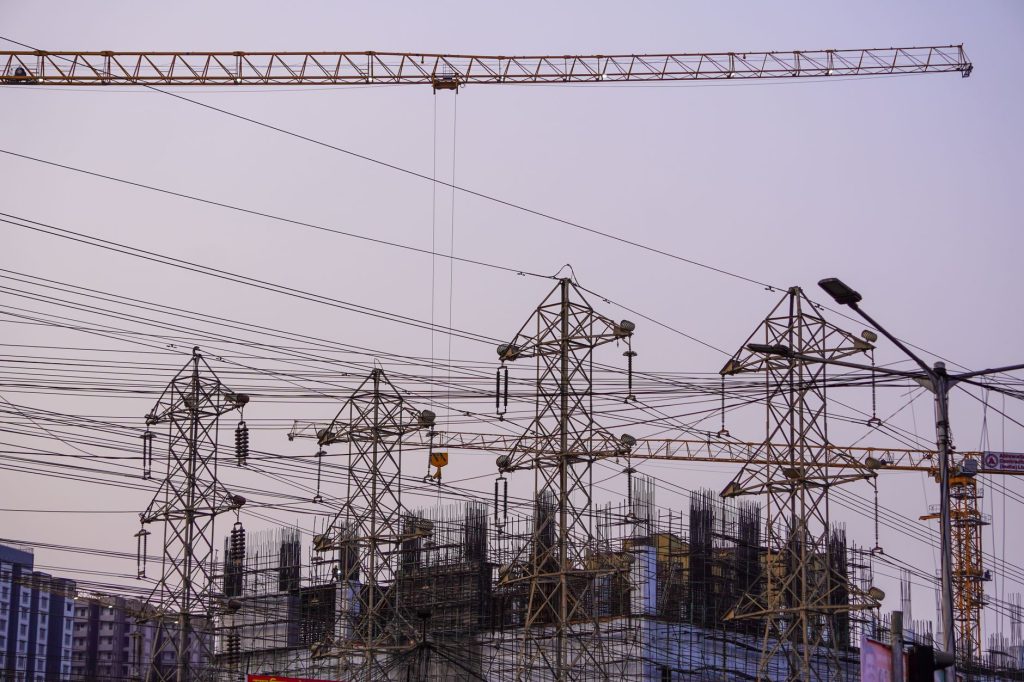
Photo by Vitthal Dikonda on Pexels
Sources
Center for Climate and Energy Solutions
KKR Gentari India stake: Is it the Best Move for Renewables? · Delhi elevated corridor offers clear solution to congestion · Oil Prices Steady: The Clear Impact of Hormuz Threats