White House oversight plans: Smart strategies for Democrats
 Justin
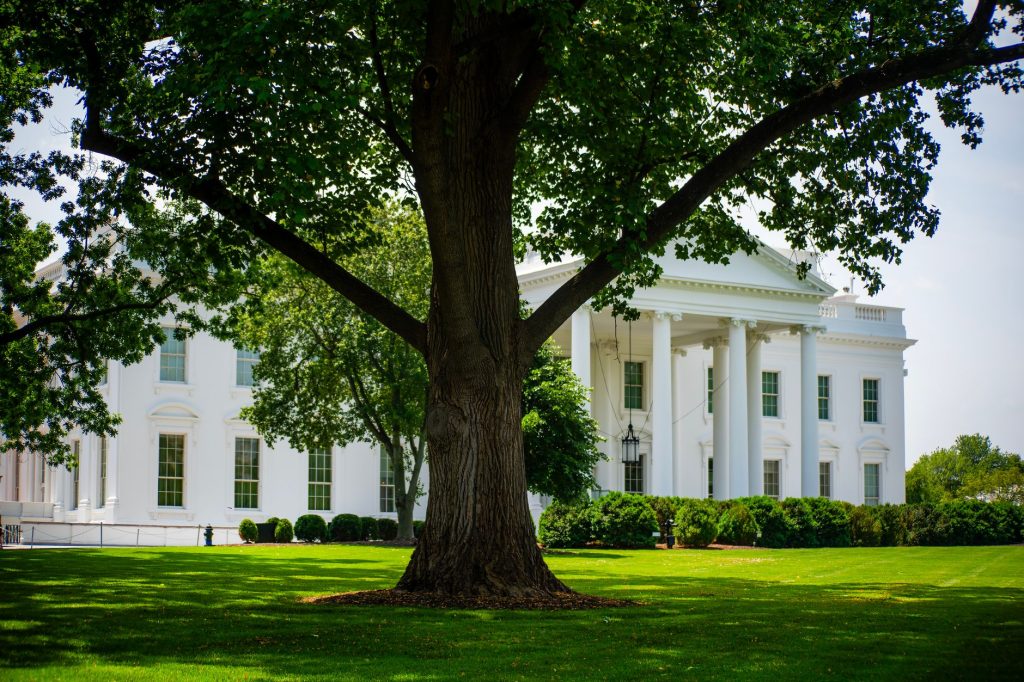
White House oversight plans are at the forefront of political discussions as Democrats brace for potential challenges. The administration aims to shift the narrative and put opposition parties on the defensive.
Understanding the White House’s Strategy
The White House is implementing a series of oversight plans aimed at strengthening its position while keeping Democrats on the offensive. This multifaceted approach includes several strategic moves that focus on communication and collaboration.
- Proactive Messaging: The administration plans to consistently share its accomplishments and future goals, countering any negative narratives that may arise from oversight inquiries.
- Engagement with Stakeholders: By connecting with key groups, the White House aims to build a coalition that supports its initiatives and counters criticism.
- Data-Driven Responses: Utilizing analytics, the White House will craft precise responses to oversight challenges, ensuring that Democrats can respond effectively to any attacks.
These oversight plans are designed not only to protect the administration but also to keep Democratic leaders prepared and proactive in their responses.
Impact of Oversight on Democratic Party
The recent White House oversight plans are poised to have a significant impact on the Democratic Party as it navigates the complex political landscape. By strategically positioning oversight as a tool, the administration aims to:
- Shift the Narrative: The focus on oversight can help redirect attention away from certain Democratic vulnerabilities.
- Highlight Accountability: By emphasizing transparency and accountability, Democrats can bolster their image as responsible leaders.
- Mobilize Voter Engagement: Oversight efforts may energize the base, encouraging grassroots activism and participation in upcoming elections.
However, this strategy also carries risks. Should the oversight efforts backfire or be seen as politically motivated, it could alienate moderate voters. Thus, the success of these plans hinges on careful execution and messaging.
Key Players in the Oversight Debate
As the debate over White House oversight plans unfolds, several key players are shaping the conversation. These individuals will significantly influence how Democrats respond to scrutiny and challenges from their opponents.
- White House Chief of Staff: Tasked with coordinating the administration’s response, the Chief of Staff is pivotal in strategizing defense mechanisms against oversight efforts.
- Senate Majority Leader: Leading the Senate Democrats, this figure ensures that the party remains united and prepared to counteract any oversight initiatives.
- House Committee Chairs: These leaders will play a critical role in managing investigations and shaping public narratives surrounding the White House oversight plans.
- Communications Directors: Responsible for messaging, they will craft responses that resonate with the public and frame oversight as a partisan issue.
Together, these players will navigate the complex landscape of oversight, aiming to protect Democratic interests while maintaining public support.
Public Reaction to White House Plans
The public reaction to the White House oversight plans has been mixed, reflecting a spectrum of opinions among voters and political analysts. Many supporters argue that these strategies are essential for holding opposition lawmakers accountable, while critics express concern over potential overreach.
Key themes in the public discourse include:
- Transparency: Voters are calling for greater transparency in the oversight process to ensure that it serves the public interest.
- Partisanship: Some believe the White House’s approach is too partisan, which could alienate moderate voters.
- Effectiveness: Questions about the effectiveness of these strategies in bolstering the Democratic Party’s image are prevalent.
As the White House continues to navigate these challenges, the response from the public will play a crucial role in shaping the outcome of their oversight plans.
Historical Context of Political Oversight
The historical context of political oversight reveals a landscape where both parties have navigated the challenges of accountability and transparency. Over the years, the White House has often found itself under scrutiny, with various administrations adapting their strategies to manage oversight effectively. In recent decades, especially during election cycles, the role of oversight has intensified, prompting both defensive and offensive maneuvers from political leaders.
As the current administration formulates its White House oversight plans, it is essential to consider past instances where political oversight shaped electoral outcomes. For example, the investigations into previous administrations highlighted vulnerabilities that opponents exploited. This historical lens illustrates the ongoing tug-of-war between enforcing accountability and wielding oversight as a political weapon, making it a critical component of the democratic process.
Ultimately, understanding this context will be key for Democrats as they prepare to navigate the upcoming challenges.
Challenges Faced by Democrats
As the White House oversight plans unfold, Democrats are confronted with several significant challenges that could impact their ability to navigate the political landscape effectively.
Among the main obstacles are:
- Voter Sentiment: Public opinion remains a critical factor, and Democrats must address concerns about their responsiveness to key issues.
- Internal Divisions: Disagreements within the party can weaken their unified front, making it harder to counter Republican narratives.
- Resource Allocation: With limited resources, Democrats must strategically prioritize their efforts to ensure effective responses to oversight inquiries.
- Media Scrutiny: Increased media attention on oversight can amplify any missteps, putting additional pressure on Democratic leaders.
Ultimately, the success of the White House oversight plans will depend on how well Democrats can overcome these challenges and present a cohesive strategy.
Future Implications for Governance
The future implications for governance under the White House oversight plans are significant for both the Democratic Party and the political landscape at large. As Democrats navigate these challenges, they must consider several key factors:
- Increased Accountability: The emphasis on oversight may require Democratic leaders to be more transparent and accountable to their constituents.
- Strategic Messaging: Crafting effective communication strategies will be crucial to counteract any negative narratives arising from oversight initiatives.
- Coalition Building: Strengthening alliances within Congress and among grassroots organizations can bolster support for Democratic policies.
- Voter Engagement: Mobilizing voters to participate in discussions around governance will be essential to maintain public support.
Ultimately, the adaptability of Democrats in response to these oversight plans will shape the party’s future and influence governance at a national level.
Conclusion: Navigating Political Waters
As the political landscape continues to evolve, the White House oversight plans present both challenges and opportunities for Democrats. Navigating these turbulent waters requires a strategic approach that emphasizes unity and proactive engagement.
To effectively counter any potential fallout, Democrats must focus on the following key strategies:
- Strengthening Communication: Clear messaging is essential to counteract misinformation and rally support.
- Building Coalitions: Collaborating with key stakeholders can amplify their voice and ensure broader support.
- Engaging the Public: Actively involving constituents will help Democrats maintain accountability and transparency.
- Leveraging Historical Context: Understanding past oversight efforts can inform current strategies and enhance credibility.
Ultimately, successful navigation of these political waters will be crucial for the Democratic Party’s future governance and electoral prospects.
The upcoming election cycle will be crucial for the implementation of the White House oversight plans. Democrats must leverage these White House oversight plans to effectively communicate their vision to voters.
Photo by Ramaz Bluashvili on Pexels